In today’s fast-paced business environment, organizations are under constant pressure to improve productivity, reduce operational costs, and make better workforce decisions. Managing employees using spreadsheets or disconnected tools is no longer effective. This is where a Workforce Management Dashboard becomes a game-changer.
A workforce management dashboard provides a centralized, real-time view of employee data, helping businesses plan, track, and optimize their workforce with confidence. From scheduling and attendance to performance tracking and analytics, dashboards are redefining how modern organizations operate.
What Is a Workforce Management Dashboard?
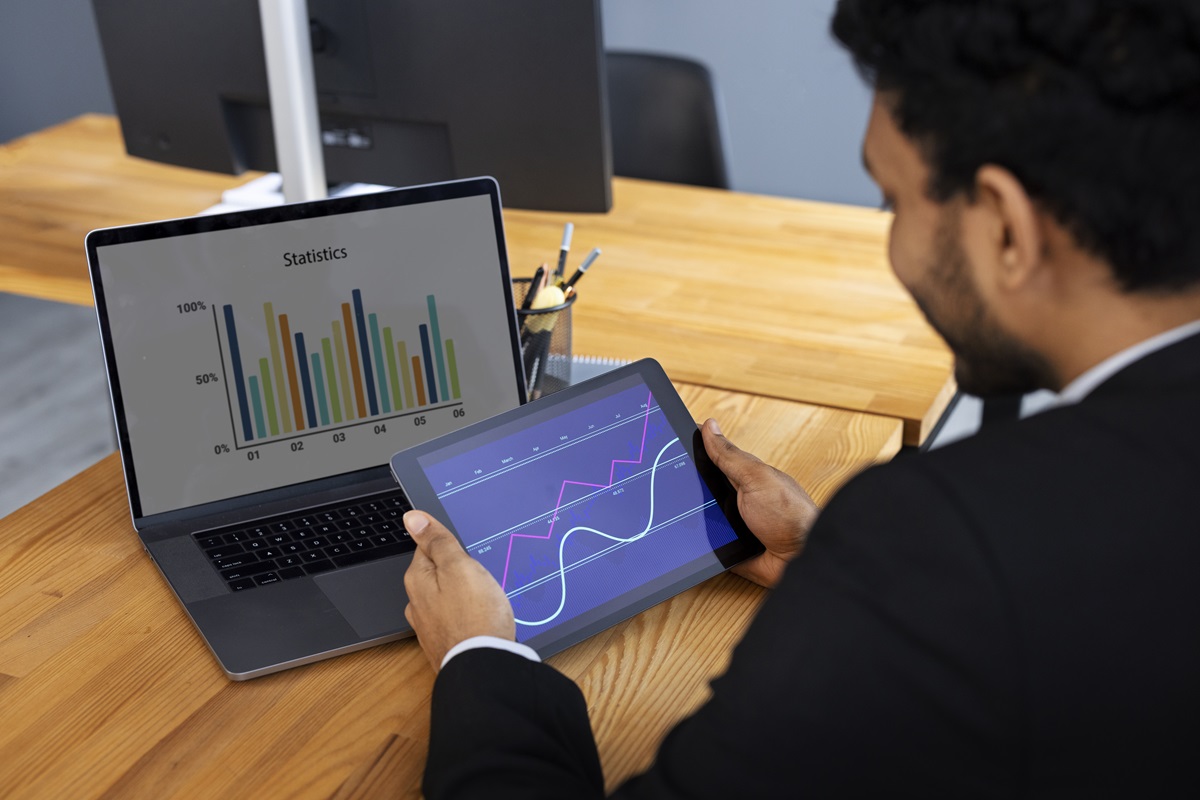
A workforce management dashboard is a digital interface that visually displays key workforce metrics in one place. It collects data from multiple sources and presents it using charts, graphs, and reports that are easy to understand and act upon.
Instead of manually analyzing raw data, managers can instantly see insights related to:
-
Employee availability
-
Attendance and absenteeism
-
Workload distribution
-
Productivity trends
-
Labor costs and utilization
This data-driven approach allows leaders to make faster, smarter decisions that align workforce capacity with business goals.
Why Businesses Need Workforce Management Dashboards
As organizations grow, workforce complexity increases. Managing shifts, tracking performance, and forecasting labor needs become more challenging. A workforce management dashboard helps solve these challenges by offering clarity and control.
1. Improved Workforce Planning
Dashboards enable managers to forecast staffing needs accurately. By analyzing historical trends and current demand, businesses can avoid overstaffing or understaffing, ensuring optimal resource utilization.
2. Real-Time Visibility
With real-time data updates, managers can respond immediately to workforce issues such as absenteeism, scheduling conflicts, or productivity drops. This proactive approach minimizes disruptions and improves operational efficiency.
3. Enhanced Productivity
By monitoring individual and team performance, organizations can identify skill gaps, training needs, and high performers. This helps in creating targeted improvement plans and motivating employees through fair performance evaluation.
4. Cost Control
Labor is one of the biggest expenses for any organization. Workforce dashboards provide insights into overtime, idle time, and labor costs, helping businesses reduce unnecessary expenses without compromising productivity.
Key Features of an Effective Workforce Management Dashboard
Not all dashboards are created equal. A well-designed workforce management dashboard should include the following essential features:
Customizable KPIs
Every organization has unique workforce goals. A good dashboard allows customization of key performance indicators (KPIs) such as attendance rates, productivity levels, or employee utilization.
Interactive Data Visualization
Clear charts, graphs, and heat maps make complex data easy to interpret. Visual insights help managers identify patterns and trends at a glance.
Automated Reporting
Automated reports save time and eliminate manual errors. Managers can generate daily, weekly, or monthly workforce reports with just a few clicks.
Role-Based Access
Different stakeholders require different levels of access. Role-based permissions ensure that sensitive employee data remains secure while still being accessible to authorized users.
Scalability
As businesses expand, their workforce management needs evolve. A scalable dashboard adapts to growth without requiring a complete system overhaul.
How Workforce Dashboards Support Better Decision-Making
Data-driven decision-making is no longer optional it’s essential. Workforce management dashboards turn raw workforce data into actionable insights that support strategic planning.
For example:
-
HR teams can identify turnover trends and improve retention strategies.
-
Operations managers can balance workloads to prevent employee burnout.
-
Executives can align workforce performance with overall business objectives.
By relying on accurate data instead of assumptions, organizations reduce risks and improve long-term outcomes.
Industries That Benefit Most from Workforce Management Dashboards
While workforce dashboards are valuable across all sectors, they are especially impactful in industries with complex staffing needs, such as:
-
IT and software development
-
Manufacturing and logistics
-
Healthcare
-
Retail and e-commerce
-
Professional services
In these industries, real-time workforce insights can directly impact service quality, customer satisfaction, and profitability.
The Future of Workforce Management
As technology evolves, workforce management dashboards are becoming smarter with the integration of artificial intelligence and predictive analytics. Future dashboards will not only show what is happening but also recommend actions such as optimal staffing levels or performance improvement strategies.
Businesses that adopt modern workforce management solutions today will be better positioned to adapt to future workforce challenges and remain competitive in an increasingly data-driven world.
Conclusion
A workforce management dashboard is more than just a reporting tool it’s a strategic asset. By providing real-time visibility, improving workforce planning, and enabling smarter decisions, it helps organizations unlock the full potential of their teams.
In an era where efficiency and agility define success, investing in the right workforce management dashboard can transform how businesses manage people, performance, and productivity.