Brand loyalty in the toy industry starts at a young age. Children form connections with certain toys, which influence parents’ buying decisions. A toy that provides fun, safety, and use encourages parents to trust a brand. When a child enjoys a puzzle or game, the child links a feeling to a brand. Parents notice preferences and start buying products from the same company. Positive play, repeated use, and reliable products all play a role. Details like packaging or design can affect a child’s choice. How toys are placed in stores also matters. A toy that is easy to pick up often gets chosen first.
How Do Toy Quality and Safety Influence Loyalty?
Toy quality and safety affect brand loyalty strongly. Parents check materials, durability, and certifications before buying. Toys that break or contain unsafe parts reduce trust. Brands that provide safe and strong toys gain trust. Parents buy from brands they know will deliver products that last. Smooth edges, safe paint, and functional design help parents feel confident. Toys that last allow children to play without worry. Consistent safety encourages families to keep choosing the same brand. Even small mistakes in product safety can break trust quickly.
How Do Colors and Designs Affect Toy Preference?
Children notice colors and shapes easily. A toy’s look affects the choice of both children and parents. Packaging and design influence which toys are picked from shelves. Toys with characters or illustrations attract attention naturally. Parents look for toys that encourage learning, skill, and focus. Brands offering products with clear design and function gain recognition. Children remember shapes and characters, which strengthens loyalty. Parents also notice when a brand consistently produces toys that children prefer. Visual memory helps children connect with brands over time.
Can Storytelling and Characters Build Emotional Bonds?
Toys with stories or characters create connections. Characters give children more than a toy—they provide a world to explore. Children who like a character from a show or book often choose toys featuring the same character. Brands’ continuing story or theme encourages children to explore more products. For example, a toy set with a character may lead to action figures, games, or puzzles from the same series. Connection to characters encourages repeated interest, which builds loyalty. Storytelling allows children to feel part of brand experience and increases engagement.
How Does Packaging Influence Toy Purchases?
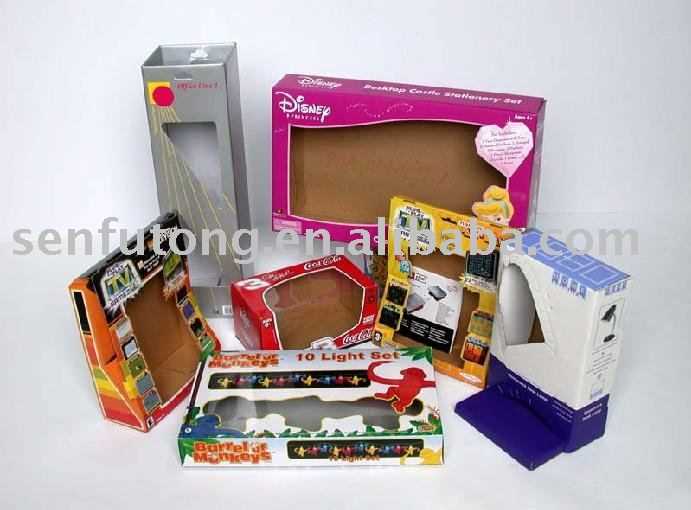
Packaging affects how a toy is noticed in stores. Boxes protect products and show parents that toys are usable. Parents check the packaging to judge the product. Children notice packaging that is easy to open or simple to hold. Businesses can use Custom Toy Boxes Packaging to make products stand out. UPacked offers solutions for companies and startups to design boxes that attract children and parents naturally.
Why Is In-Store Experience Important for Loyalty?
How toys are shown in stores matters. Organized shelves help children explore safely and parents choose faster. Brands providing clear labels, demonstrations, or accessible displays get more attention. Allowing children to touch or try a product briefly connects children to brands. Retailers notice that products in simple and clear displays sell faster. Retail Boxes designed for display help products get attention. Easy access and visibility make children remember brands and parents return.
How Do Reviews and Recommendations Shape Buying Habits?
Word-of-mouth, online reviews, and peer recommendations influence parents strongly. Positive feedback about toy use, durability, or learning value encourages parents to trust a product. Negative feedback reduces repeat buying. Brands earning consistent positive reviews gain recognition. Online sites, blogs, and social media are common channels where parents check experiences. Asking for feedback through campaigns or questions also helps. Trusted opinions make parents confident to return to brand. Repeated positive exposure reinforces trust naturally.
Can Seasonal Trends Affect Brand Loyalty?
Toy brands use seasonal events like holidays, birthdays, or special events to sell products. Limited sets or themed toys create interest among children. Children remember receiving toys during celebrations and associate joy with brand. Parents may return to the brand for future gifts. Seasonal campaigns help brands stay visible in stores and online. Packaging for these sets can include themed graphics or simple stickers, reminding children of the brand. Repetition during events reinforces loyalty.
How Do Pricing and Value Affect Long-Term Loyalty?
Price affects parent decisions strongly. Brands delivering usable toys at fair prices earn trust. Offering small or simple sets along with larger sets allows families with different budgets to engage. Bundles or kits encourage parents to try new products without risk. Parents return when toys provide learning, skill, or play value. Value is not only price but also durability, learning, and usability. Brands balancing quality and price create loyalty that continues over time.
How Can Startups and Small Businesses Build Loyalty?
Creative packaging attracts attention and builds trust. Startups can offer special sets, interactive experiences, or digital engagement to connect with children and parents. Partnerships with stores and clear display help visibility. Working with UPacked for packaging design supports startups in creating lasting impressions. Positive experiences over time help smaller brands gain loyal customers.