
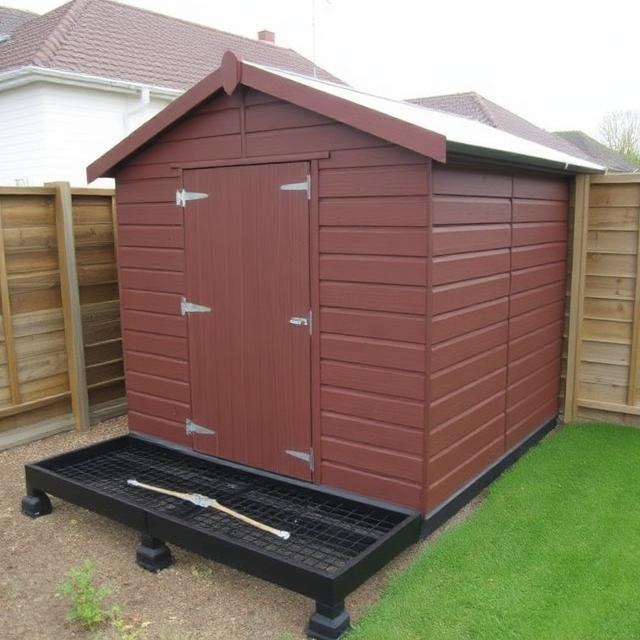
UK gardens are subjected to unpredictable weather every year, with heavy rain, strong winds, and sometimes even frost that can destroy a garden structure. Most often, the sheds suffer first, for their foundations are not that strong. The right shed bases have to be picked out. Plastic shed bases combined with grass grids offer a solution in this regard. They provide strength, drainage, and long-term stability. This article will explain how these plastic shed bases protect your shed and why they are ideal for storm-resistant installations in 2026.
Why Shed Bases Matter In UK Gardens
Garden sheds are more than storage spaces. They help protect tools, bikes, and outdoor equipment from the weather. However, the base is everything when it comes to how well a shed will perform. A shed that has a weak or uneven base will easily have problems like rocking structures, sticking doors, and water damage. This problem will worsen over time.
A plastic shed base offers consistent support. It evenly disperses weight across the area. Because of this, the shed remains completely level-even on soft and uneven soil. Grass grids add extra stability. Grass grids lock right into the base for a sturdy foundation. They let water drain away naturally, reducing the risk of flooding under the shed.
Common Issues Caused By Bad Shed Bases
All UK homeowners have to deal with various shed issues. Water may accumulate beneath timber or concrete bases. After some time, the wood will be subject to decay, and concrete will crack. The shed might shift in strong winds. These problems make the structure and the items stored take damage. Plastic shed bases with grass grids reduce these risks. They create a foundation that resists weather and wear.
Benefits Of Plastic Shed Bases With Grass Grids
Plastic shed bases combined with grass grids have several benefits. Firstly, they allow great drainage. Rainwater will pass through the grids instead of collecting underneath the shed. This will keep the floor dry and prevent rot or mold.
Secondly, plastic bases are durable. Water does not seep into them and also doesn’t crack. The bases are quite stable in areas with wet grounds or even where frost is placed. Grass grids add some level of weight distribution. This prevents the tendency of the structure to sink on soft soil or uneven grounds.
Thirdly, these shed bases support heavy loads: lawn mowers, storage boxes, and bikes will sit safely without causing damage to their foundation. The flexibility of plastic, along with the locking design of grass grids, will ensure the shed is level during everyday use.
Installation Advantages
The actual installation of the plastic shed bases with grass grids is easier as compared to other conventional methods. Most kits are modular; this means they can be fitted by homeowners without professional tools. They clip together pretty easily. Once installed, the base requires minimal maintenance.
Preparation is the key. Clear the area of grass, weeds, and other debris. Level the ground carefully. Begin by laying the plastic shed base panels. Inserts of the grass grids then go in. Add gravel or sand for extra stability if needed. Lastly, the shed gets attached to the base with anchors. This gives one a storm-resistant foundation.
Choosing The Right Plastic Shed Base With Grass Grids
Not all shed bases are the same, and size, ground type, and the weight of a shed are factors that determine a choice. Before buying a base kit, one needs to measure the footprint of the shed accurately. A too-small base will lead to edge stress of a shed when it is placed on. Check the load rating for heavier sheds.
Consider the ground surface: Grass grids perform best on soil, grass, or slightly uneven areas; plastic shed bases can also go onto gravel or paved areas, given that proper leveling is performed; anchors provide extra stability in very windy locations. Always follow the manufacturer’s recommendations for the safest results.
Long Run Benefits
Plastic shed bases with grass grids provide long-term benefits, resisting rot, shifting, and cracking. Shed doors remain aligned, and stored items stay dry. Maintenance of such bases is minimal, and they can last much longer than timber or traditional concrete foundations.
Besides, plastic bases for sheds are environmental-friendly. A majority of the kits make use of recycled plastic. This avoids waste while offering strength and durability. The combination of sustainability and performance makes them ideal for modern UK gardens.
Expert Views
Plastic shed bases with grass grids, increasingly recommended by garden designers and shed installers alike, do not sustain any damage from freeze and thaw cycles, according to tests. They support weight equally; therefore, they do not sink or become tilted. According to customers, there are fewer problems after storms. These bases are especially useful in coastal and high rainfall regions.
Final Thoughts
Closing Remarks In the process, storm-resistant sheds do call for strong foundations. Plastic shed bases with grass grids ensure stability, drainage, and long life. Your plastic base protects your shed from water damage and movement when harsh storms hit. A well-installed plastic shed base can support very heavy loads and remain reliable for many years to come. This makes investing in a plastic shed base with grass grids a great idea for UK homeowners in 2026. It ensures a long-lasting shed, protects your valuable tools, and reduces maintenance costs. Shed bases built this way create a foundation that can withstand the unpredictable UK weather, giving you peace of mind in everyday garden storage.