
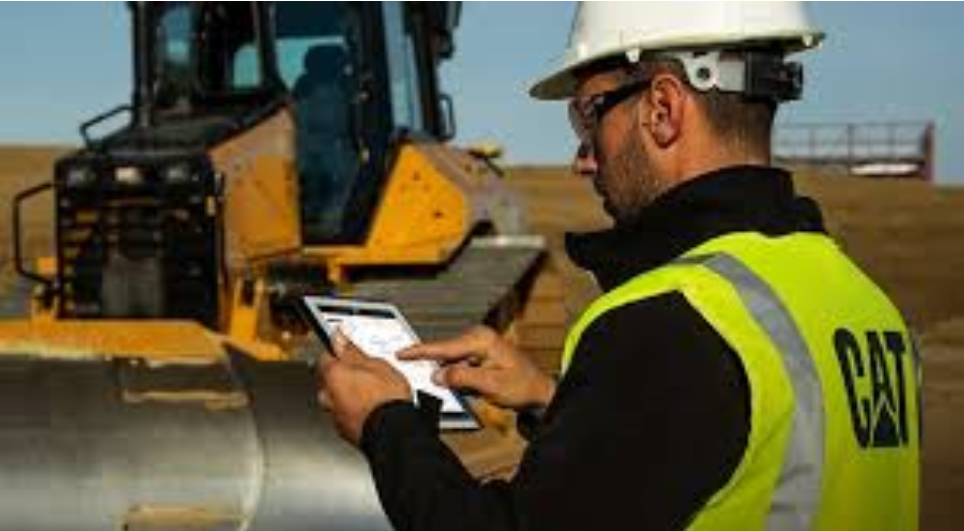
Construction projects rely on far more than heavy machinery alone. Tools, materials, temporary equipment, and support assets move constantly between jobsites, storage yards, and crews. Yet many construction teams still track these assets using manual logs, spreadsheets, or verbal updates. While familiar, these methods create gaps in visibility that lead to misplaced assets, wasted time, and unnecessary replacement costs.
Manual tracking struggles to keep up with the pace of modern construction. Assets move quickly, teams change frequently, and paperwork rarely reflects real-time conditions. To gain accurate oversight without adding administrative burden, many contractors are moving away from manual logs and adopting construction asset tracking software as a smarter, more reliable alternative.
Why Manual Asset Logs No Longer Work
Manual logs depend on consistency, accuracy, and follow-through. In reality, busy jobsites rarely allow time for perfect record-keeping. Assets are borrowed, returned late, or moved without documentation. Logs are updated after the fact or not at all.
These gaps create confusion. Crews spend time searching for tools that are already on site. Materials are reordered because existing inventory cannot be located. Assets are assumed lost when they are simply untracked. Over time, these small inefficiencies turn into measurable financial losses.
The Hidden Costs of Poor Asset Visibility
Asset tracking issues do not always show up as line items on a budget, but they affect costs in multiple ways. Lost tools must be replaced. Idle labor increases while crews search for equipment. Projects slow down when needed assets are unavailable.
There is also a planning cost. Without accurate asset data, managers struggle to forecast needs. Equipment may be purchased unnecessarily, while existing assets sit unused elsewhere. These decisions reduce return on investment and inflate operating expenses.
Moving Beyond Spreadsheets and Paper Logs
Spreadsheets offer more structure than paper logs, but they still rely on manual updates. As assets move throughout the day, spreadsheets quickly become outdated. Version control issues arise, and information becomes fragmented across files and teams.
A smarter approach replaces manual updates with centralized, real-time tracking. Instead of chasing down information, teams access a single source of truth that reflects current asset status. This shift reduces administrative work while improving accuracy.
Improving Asset Visibility Across Jobsites
Effective asset tracking starts with visibility. Construction leaders need to know where assets are, who is using them, and whether they are available. Without this insight, coordination suffers.
Improved visibility allows assets to be shared across projects instead of duplicated. Tools sitting idle on one site can be redeployed to another. Materials can be located quickly instead of reordered. This efficiency reduces waste and improves scheduling reliability.
This is where construction asset tracking software becomes essential by providing centralized visibility without relying on manual data entry.
Reducing Asset Loss and Misplacement
Asset loss is one of the most common and expensive problems in construction. Small tools disappear easily, and temporary equipment often moves without documentation. Manual logs are rarely updated fast enough to prevent loss.
A smarter tracking approach documents asset movement automatically. When assets are checked out, transferred, or returned, records update consistently. This reduces disputes, improves accountability, and significantly lowers loss rates.
Clear tracking also discourages misuse. When asset activity is visible, crews handle tools more responsibly and report issues sooner.
Supporting Better Utilization of Shared Assets
Many construction assets are underused simply because teams do not know they are available. Manual tracking makes it difficult to see utilization patterns or identify idle inventory.
With better tracking, managers can analyze how often assets are used and where they spend most of their time. Underused items can be reassigned or retired. High-demand assets can be distributed more efficiently. These insights improve utilization and reduce unnecessary purchases.
Improving Accountability Across Crews
When assets move between crews, accountability often becomes unclear. Manual logs rarely capture real-time handoffs, leading to confusion about responsibility.
Smarter tracking creates transparency. Asset assignments are recorded consistently, making it clear who had custody at any given time. This improves accountability, reduces disputes, and supports internal cost tracking.
Clear accountability also simplifies audits and insurance claims by providing accurate asset histories.
Supporting Maintenance and Condition Tracking
Assets require maintenance just like heavy equipment. Tools wear out, safety equipment needs inspection, and temporary assets require upkeep. Manual logs rarely capture maintenance history accurately.
Centralized tracking allows condition and service records to be linked to each asset. Maintenance can be scheduled based on usage rather than guesswork. This improves safety, extends asset life, and reduces unexpected failures.
Scaling Asset Tracking as Operations Grow
As construction businesses grow, asset tracking becomes more complex. More jobsites, more crews, and more inventory increase the risk of loss and inefficiency.
Manual systems do not scale well. Each additional asset increases administrative workload. Smarter tracking solutions scale without adding complexity, allowing companies to grow while maintaining control.
Data-Driven Decisions for Asset Planning
Accurate asset data supports better planning. Managers can forecast future needs, plan purchases, and time replacements more effectively. Decisions are based on actual usage rather than assumptions.
This data also improves budgeting. Asset costs are easier to predict when usage and condition are known. Over time, planning becomes more strategic and less reactive.
Using construction asset tracking software supports these decisions by providing reliable data that stays current as assets move.
Long-Term Benefits of Smarter Asset Tracking
Moving away from manual logs delivers lasting benefits. Asset loss decreases. Utilization improves. Administrative effort drops. Teams spend less time searching for tools and more time completing work.
Clients benefit from smoother projects and fewer delays. Internally, teams operate with greater confidence and fewer disruptions. Over time, smarter asset tracking strengthens operational efficiency and profitability.
Conclusion
Manual asset logs cannot keep pace with modern construction operations. They create blind spots, increase loss, and limit visibility. A smarter approach focuses on centralized, real-time tracking that removes administrative friction.
By replacing manual logs with construction asset tracking software, construction companies gain clearer visibility, stronger accountability, and better control over assets across all jobsites. This approach reduces waste, supports growth, and transforms asset tracking from a constant frustration into a strategic advantage.