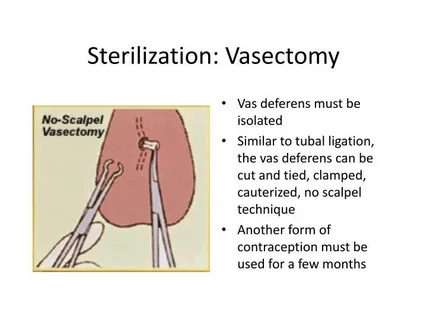
No scalpel vasectomy has become the gold standard for male sterilization due to its minimally invasive approach, reduced complication rates, and faster recovery. As surgical techniques continue to evolve, increasing attention has been given not only to the vas deferens itself but also to the delicate structures that surround it. One of the most important advancements in modern vasectomy care is perivascular nerve protection—a strategy designed to preserve nerve fibers that run alongside blood vessels in the spermatic cord.
Understanding the relationship between no scalpel vasectomy and perivascular nerve protection helps explain why contemporary outcomes show lower pain rates, fewer complications, and higher patient satisfaction compared with older methods.
Understanding Perivascular Nerve Anatomy
The spermatic cord contains a complex arrangement of structures, including:
- The vas deferens
- Arteries and veins supplying the testicle
- Lymphatic vessels
- Autonomic and sensory nerve fibers
Many of these nerves travel perivascularly, meaning they run closely alongside blood vessels. These perivascular nerves play key roles in:
- Sensory perception
- Vascular tone regulation
- Reflexive muscular responses
During vasectomy, disruption of these nerves—whether through traction, compression, or thermal injury—can contribute to acute pain, inflammation, and, in rare cases, chronic scrotal discomfort.
Why Perivascular Nerve Protection Matters in Vasectomy
Older vasectomy techniques often involved wider tissue dissection and less precise handling of the spermatic cord. While effective at achieving sterilization, these methods occasionally resulted in unnecessary nerve irritation.
Perivascular nerve protection aims to:
- Preserve nerve integrity
- Reduce inflammatory responses
- Minimize post-operative pain
- Lower the risk of chronic pain syndromes
No scalpel vasectomy naturally supports these goals due to its tissue-preserving design.
How No Scalpel Vasectomy Supports Nerve Protection
No scalpel vasectomy differs fundamentally from traditional incisional techniques. Instead of cutting through tissue layers, the surgeon gently spreads them using a specialized dissecting instrument.
This approach offers several nerve-protective advantages:
- Reduced trauma to blood vessels and adjacent nerves
- Less tissue compression and stretching
- Lower risk of bleeding-related nerve irritation
- Minimal disruption of perivascular structures
Because nerves and vessels are not sharply transected, the likelihood of nerve injury is significantly reduced.
Gentle Tissue Separation and Nerve Preservation
A core principle of perivascular nerve protection is gentle tissue separation. In no scalpel vasectomy, tissues are parted along natural anatomical planes rather than forcibly dissected.
This technique:
- Allows vessels and nerves to move aside naturally
- Prevents tearing of small nerve branches
- Maintains microcirculation around nerves
Preserving these microscopic structures supports faster healing and reduces inflammatory signaling.
Precision in Vas Isolation
Isolating the vas deferens is the central step in vasectomy. In no scalpel vasectomy, this step is performed with minimal manipulation.
Controlled Vas Elevation
Excessive traction can stretch perivascular nerves and trigger post-procedural pain. Surgeons using nerve-protective techniques elevate the vas gently, avoiding unnecessary force.
Limited Exposure
Only the vas itself is exposed, while surrounding vascular and neural structures remain largely undisturbed.
This precision significantly reduces the risk of nerve irritation.
Hemostasis and Perivascular Nerve Safety
Bleeding control is essential in any surgical procedure, but excessive cautery can damage nearby nerves.
Low-Energy Cautery
When cautery is required, nerve-protective techniques emphasize:
- Short activation times
- Focused application
- Avoidance of surrounding tissues
Mechanical Hemostasis
In many cases, careful pressure or ligation is sufficient, eliminating the need for thermal energy altogether.
These strategies help preserve both blood vessels and adjacent nerve fibers.
Role of Targeted Anesthesia in Nerve Protection
Anesthetic technique plays a major role in protecting perivascular nerves.
Perivasal Anesthetic Placement
Rather than flooding the entire spermatic cord with anesthetic, modern approaches involve precise placement near the vas deferens.
This reduces:
- Chemical irritation of nerve fibers
- Tissue pressure from large anesthetic volumes
- Temporary nerve compression
Low-Dose Strategies
Using the lowest effective dose minimizes nerve exposure while maintaining excellent pain control.
Preventing Post-Vasectomy Pain Syndrome
Post-vasectomy pain syndrome (PVPS) is an uncommon but significant complication characterized by persistent scrotal discomfort. While its causes are multifactorial, perivascular nerve irritation is a recognized contributor.
No scalpel vasectomy combined with perivascular nerve protection helps prevent PVPS by:
- Avoiding nerve transection
- Reducing inflammatory cascades
- Preventing neuroma formation
- Limiting scar tissue around nerves
These measures significantly lower the risk of long-term pain.
Post-Operative Benefits of Nerve Protection
Patients benefit from perivascular nerve protection well beyond the operating room.
Early Recovery
- Less post-operative soreness
- Reduced swelling and bruising
- Improved comfort during movement
First Week After Procedure
- Lower reliance on pain medication
- Faster return to daily activities
- Better sleep quality
These benefits contribute to higher overall satisfaction.
Importance of Post-Procedure Care
Even with meticulous nerve protection during surgery, post-operative care plays a vital role in preserving nerve health.
Scrotal Support
Proper support reduces tension on healing tissues and protects sensitive nerve pathways.
Activity Modification
Avoiding strenuous activity prevents excessive movement that could irritate perivascular nerves.
Inflammation Control
Ice therapy and short courses of anti-inflammatory medication help limit nerve-related discomfort.
Patient Selection and Counseling
While perivascular nerve protection benefits all patients, it is particularly valuable for:
- Patients with prior scrotal or inguinal surgery
- Individuals with heightened pain sensitivity
- Athletes and physically active patients
- Those concerned about long-term discomfort
Pre-procedure counseling reassures patients that nerve preservation is a priority in modern no scalpel vasectomy.
Surgeon Skill and Training
Effective perivascular nerve protection depends heavily on surgical expertise. Surgeons trained in no scalpel vasectomy develop:
- Detailed knowledge of spermatic cord anatomy
- Proficiency in gentle tissue handling
- Awareness of nerve-vessel relationships
As training standards improve, nerve-protective techniques are becoming integral to high-quality vasectomy care.
Future Advances in Nerve-Protective Vasectomy
Ongoing research continues to refine nerve preservation strategies.
Emerging developments include:
- Ultrasound-guided vas identification
- Enhanced visualization tools
- AI-assisted anatomical mapping
- Personalized pain-risk assessment
These innovations aim to further reduce complications and optimize patient outcomes.
Conclusion
No scalpel vasectomy and perivascular nerve protection together represent a modern, precision-focused approach to male sterilization. By minimizing tissue trauma, preserving vascular-nerve relationships, and applying targeted anesthesia, clinicians can significantly reduce pain and enhance recovery.
For patients, this means a safer procedure, less discomfort, and greater confidence in choosing vasectomy as a long-term contraceptive option. As techniques continue to evolve, perivascular nerve protection will remain a cornerstone of best-practice no scalpel vasectomy care.
FAQs
1. What are perivascular nerves in vasectomy?
Perivascular nerves are nerve fibers that run alongside blood vessels in the spermatic cord. Protecting them helps reduce pain and inflammation after vasectomy.
2. Does no scalpel vasectomy reduce nerve injury risk?
Yes. No scalpel vasectomy minimizes tissue trauma and avoids cutting through nerve-rich areas, significantly lowering the risk of nerve irritation.
3. Can perivascular nerve protection prevent chronic pain?
While no method can eliminate risk entirely, perivascular nerve protection greatly reduces the likelihood of developing chronic scrotal pain after vasectomy.