

Driving test nervousness affects a large number of learner drivers, regardless of their level of preparation. The pressure of being assessed, fear of making mistakes, and unfamiliar test conditions often combine to create anxiety that interferes with performance. Even learners who drive confidently during lessons may struggle on test day due to emotional stress rather than lack of skill. Managing these feelings requires more than practice alone. Structured preparation methods can support emotional control alongside technical readiness. This blog explains why driving test anxiety occurs and how digital preparation tools help learners remain calm, focused, and confident throughout the testing process.
Understanding Driving Test Anxiety
Driving test anxiety is a natural response to pressure and evaluation. The test environment introduces formal rules, unfamiliar routes, and close observation, all of which can increase stress levels. For many learners, the fear of failing overshadows their actual driving ability.
Anxiety often begins days or weeks before the test. Thoughts about potential mistakes, examiner judgement, and consequences of failure can build steadily. This mental pressure creates tension that affects focus and confidence.
Learners may also feel overwhelmed by expectations from family or peers. These external pressures increase self-doubt, making it harder to remain calm. Recognising anxiety as an emotional response rather than a reflection of skill is an important step in addressing it effectively.
How Anxiety Interferes with Driving Performance
Anxiety influences both mental and physical reactions, directly affecting driving behaviour. When stress levels rise, decision-making becomes slower and less accurate. Learners may hesitate at junctions, misjudge gaps, or forget routine checks.
Mental overload is another common effect. Anxious learners often overthink simple actions, turning familiar manoeuvres into stressful tasks. This reduces natural driving flow and increases the likelihood of minor errors.
Physical symptoms can include shallow breathing, muscle tension, and a tight grip on the steering wheel. These reactions limit smooth control of the vehicle and reduce overall comfort while driving.
Reducing anxiety allows learners to respond calmly to instructions, maintain awareness, and demonstrate their true driving ability during the test.

The Role of Structured Digital Preparation
Structured preparation helps learners feel in control of their progress. Digital learning tools present information in a clear, organised manner, reducing uncertainty and emotional pressure.
An App for Driving Test supports learners by breaking preparation into manageable sections. This structure removes the feeling of being overwhelmed and replaces it with steady, achievable progress.
Consistent exposure to test-style content builds familiarity. When learners understand what to expect, anxiety levels naturally decrease. Digital tools also allow revision to take place without judgement, encouraging confidence and reducing fear of making mistakes.
By combining structure with flexibility, digital preparation supports both emotional readiness and knowledge retention.
Key App Features That Support Emotional Control
Certain features play a direct role in reducing anxiety by providing clarity, reassurance, and measurable progress.
Effective features include:
- Clearly organised theory topics
Content is arranged into logical sections, allowing learners to focus on one subject at a time. This structure reduces confusion and supports steady, confident revision. - Timed practice tests reflecting exam conditions
Practice tests follow the same format and time limits as the official exam. This familiarity helps learners manage time effectively and remain calm under pressure. - Instant feedback explaining correct and incorrect answers
Immediate explanations clarify mistakes and confirm correct understanding. This feedback helps learners improve without uncertainty or frustration. - Visual progress tracking to show improvement
Progress indicators clearly display completed sections and performance trends. Seeing improvement builds motivation and reinforces confidence. - Hazard perception practice with guided response timing
Interactive clips help learners recognise developing hazards accurately. Guided timing improves reaction awareness and supports controlled decision-making.
These features remove uncertainty and replace it with understanding. Feedback reassures learners by showing exactly where improvement is needed rather than leaving doubts unresolved.
Hazard perception practice is particularly valuable. Repeated exposure to developing hazards improves reaction timing and reduces panic during assessment. Familiarity builds calm confidence, which is essential for controlled driving behaviour.
Building Confidence Through Consistent Progress
Confidence develops through visible improvement. Structured digital tools help learners track their progress clearly, reinforcing motivation and self-belief.
Regular practice sessions strengthen knowledge without causing mental fatigue. Short, focused revision periods support retention while maintaining engagement. Seeing completed sections and improving scores reassures learners that they are progressing steadily.
An App for Driving Test allows learners to revisit weaker areas without pressure. This flexibility supports gradual improvement and prevents last-minute stress.
Confidence also grows when learners feel prepared for a range of scenarios. Exposure to varied questions and simulated challenges increases adaptability, allowing learners to remain calm when faced with unexpected situations during the test.
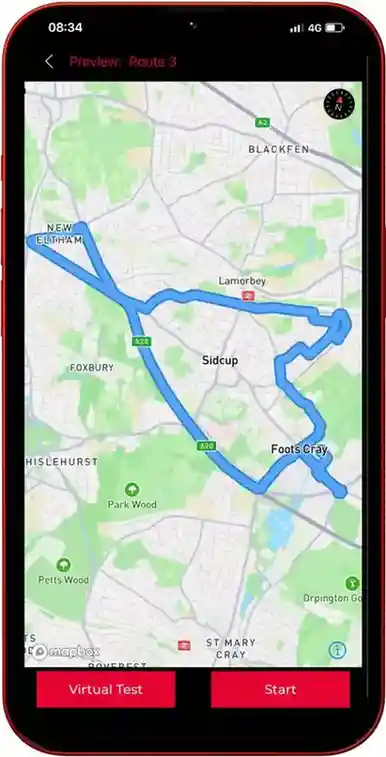
Mental Readiness and Test-Day Calm
Mental preparation is as important as technical readiness. Learners who manage their emotions effectively are more likely to remain focused and composed during the test.
Helpful mental preparation strategies include:
- Maintaining a consistent revision routine
- Avoiding last-minute cramming
- Practising steady breathing techniques
- Focusing on controlled, safe driving rather than perfection
- Accepting that minor mistakes do not define overall performance
These approaches support emotional balance and reduce performance pressure. Familiarity with test content and format allows learners to focus on driving rather than worrying about assessment criteria.
When learners trust their preparation, they approach test day with clarity and calmness.
Conclusion
Driving test nervousness is a common experience, but it does not need to limit performance. Anxiety often stems from uncertainty and pressure rather than lack of ability. Structured digital preparation provides clarity, consistency, and reassurance, supporting both emotional control and confident decision-making. By offering organised learning, regular practice, and visible progress, digital tools help learners feel prepared and focused on test day. Managing anxiety becomes easier when preparation feels achievable and controlled. With the right support, learners can demonstrate their true driving skills calmly and confidently, supported by App for Driving Test.