
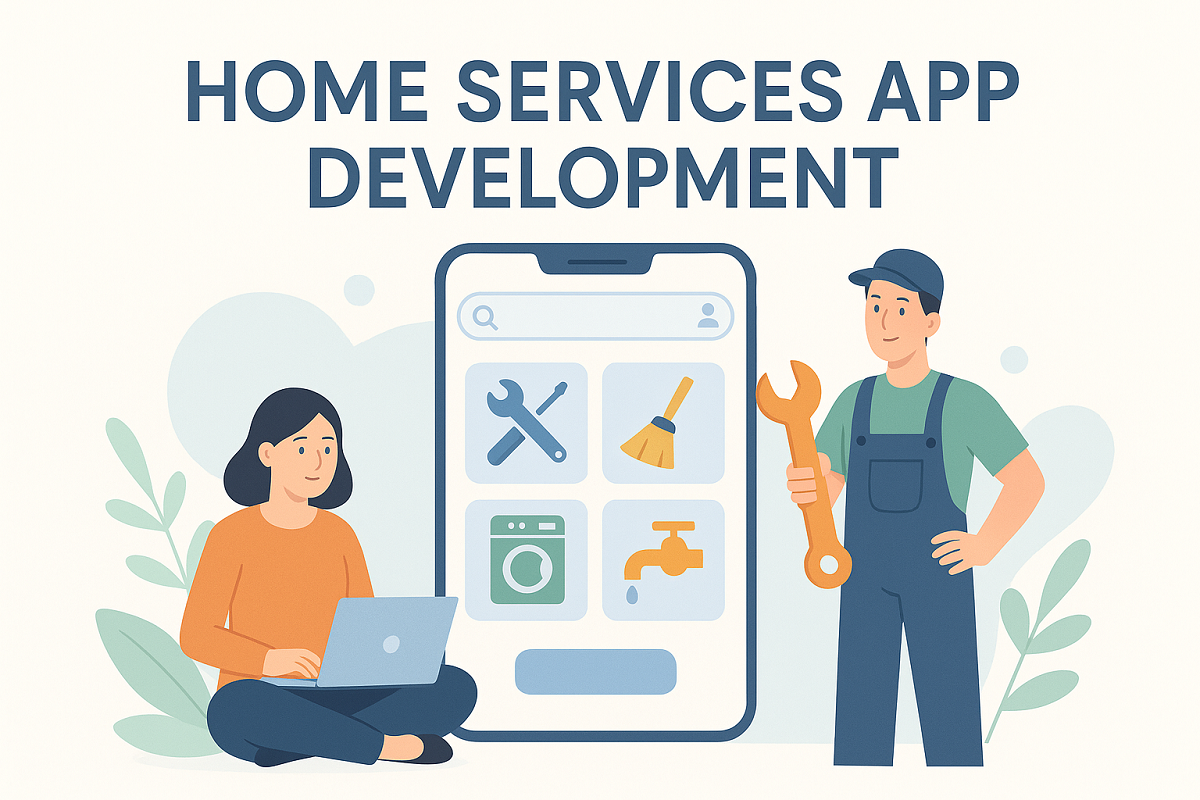
In today’s highly competitive digital marketplace, trust is the currency that drives user decisions, especially in the home services sector. Whether it’s plumbing, cleaning, electrical repairs, or appliance maintenance, customers want reassurance before letting a professional into their homes. This is where customer review systems become a defining feature in modern home service app development solutions.
For businesses evaluating a home service app development company, understanding how review systems are designed, implemented, and optimized is critical. Reviews are no longer just an add-on; they are a core functional and psychological component that directly impacts user acquisition, retention, and brand credibility.
This guide explores the role of customer review systems in home service apps, how they influence user behavior, and what service-focused businesses should expect from a professional app development partner.
Why Customer Review Systems Matter in Home Service Apps
Home services operate in a trust-sensitive environment. Unlike eCommerce, where products can be returned, services are delivered in personal spaces and often involve safety, hygiene, and reliability concerns. Customer reviews bridge the gap between digital discovery and real-world service delivery.
A well-implemented review system provides transparency and social proof, helping users make informed decisions. From an operational standpoint, it also creates a feedback loop that allows businesses to monitor service quality and improve continuously.
Key reasons review systems are essential include:
- They reduce hesitation during the booking process
- They establish credibility for new or lesser-known service providers
- They help platforms self-regulate service quality
- They improve conversion rates and repeat usage
A capable home service app development company understands that reviews are not just about star ratings but about building a trustworthy ecosystem.
Core Components of an Effective Customer Review System
Not all review systems deliver the same value. The effectiveness lies in how deeply they are integrated into the user journey and backend workflows. High-performing home service apps typically include multiple layers of feedback mechanisms.
At the foundation are post-service reviews, where customers rate and comment after job completion. This is often combined with provider ratings, job-specific feedback, and optional media uploads for added authenticity.
An advanced review system usually includes:
- Star ratings with contextual criteria (timeliness, professionalism, quality)
- Written feedback tied to verified bookings
- Provider response options to address concerns publicly
- Review moderation and fraud detection mechanisms
When implemented correctly, these elements work together to create trust without overwhelming users.
How Review Systems Influence User Behavior and Conversions
From a behavioral perspective, reviews heavily influence decision-making. Users tend to trust peer feedback more than promotional content, especially when choosing local or on-demand services.
In home service mobile app solutions, review visibility directly impacts:
- Provider selection during search and filtering
- Booking confidence for first-time users
- Perceived pricing fairness and value
- Platform credibility compared to competitors
Positive reviews act as silent sales agents, while negative feedback, when handled transparently, can still build trust. A reliable home service app development company will design review interfaces that highlight authenticity rather than perfection, as overly polished ratings can raise suspicion.
Designing Review Systems for Service Providers and Admins
While customer-facing reviews are the most visible, backend access for service providers and administrators is equally important. Review systems should support operational decision-making, not just marketing.
For service professionals, reviews act as performance indicators. Access to structured feedback helps them understand expectations and improve service delivery. For platform owners, aggregated review data reveals trends, service gaps, and training needs.
Backend review dashboards often include:
- Average ratings over time
- Complaint categorization and severity flags
- Provider comparison metrics
- Automated alerts for recurring issues
These insights allow businesses to maintain quality control at scale, which is essential as platforms grow.
Trust, Transparency, and Fraud Prevention in Reviews
One of the biggest challenges in review systems is maintaining authenticity. Fake reviews, biased ratings, or review manipulation can quickly erode user trust. This is why the review system architecture must include validation and moderation logic.
Professional home service app development solutions typically use verified-only reviews, meaning only users who complete a service can leave feedback. Additional safeguards may include AI-based sentiment analysis, duplicate detection, and manual moderation workflows.
Transparency also plays a key role. Displaying both positive and negative reviews along with provider responses creates a sense of honesty. Users are more likely to trust platforms that do not hide criticism but instead show how issues are resolved.
Personalization and Smart Review Display
Modern users expect personalized experiences, and review systems are no exception. Rather than showing generic ratings, advanced apps surface relevant feedback based on user preferences, location, and service history.
For example, a user searching for cleaning services may see reviews emphasizing punctuality and attention to detail, while someone booking an electrician may see feedback focused on safety and expertise.
This level of personalization often leverages data models similar to those used in smart home system development, where context-aware information improves user confidence and satisfaction. While the technologies differ, the principle of relevance-driven UX remains the same.
Integration with Booking, Payments, and Notifications
Review systems are most effective when seamlessly connected to other app modules. Reviews should be prompted automatically after service completion, ideally after payment confirmation, to ensure fairness.
Well-integrated systems may include:
- Automated push notifications requesting feedback
- Incentives such as loyalty points for honest reviews
- Review reminders without being intrusive
- Visibility of reviews within booking history
This integration ensures higher participation rates while keeping the user experience smooth and intuitive.
Scalability and Customization Considerations
As platforms grow, review systems must scale without compromising performance or reliability. This is where choosing the right home service app development company becomes critical.
Scalable review architectures are designed to handle increasing volumes of data, multiple service categories, and expanding geographic regions. Customization options allow businesses to adjust review criteria, visibility rules, and moderation policies as their model evolves.
Some businesses may initially experiment with simplified setups similar to no code app development for businesses, but as operations mature, custom-built review systems offer far greater control, security, and long-term flexibility.
Choosing the Right Development Partner for Review-Centric Apps
For businesses seeking long-term success, partnering with an experienced development team is not just about technical execution. It’s about understanding user psychology, service dynamics, and platform trust.
A capable home service app development company will:
- Design review systems aligned with your service model
- Balance transparency with moderation and security
- Integrate reviews across user, provider, and admin workflows
- Ensure scalability and future-ready architecture
Whether the project involves full-scale custom mobile app development or platform enhancement, review systems should be treated as a strategic asset rather than a basic feature.
Conclusion
Customer review systems are no longer optional features in home service app development solutions; they are foundational to trust, growth, and long-term success. For service-based businesses, reviews influence every stage of the user journey, from discovery to repeat bookings.
Choosing the right home service app development company ensures that review systems are not only technically sound but strategically designed to support transparency, scalability, and user confidence. When done right, reviews become more than feedback; they become the backbone of a credible and competitive home service platform.
FAQs
Why are customer reviews critical for home service apps?
They build trust, reduce booking hesitation, and influence provider selection in a high-trust industry.
Can negative reviews harm a home service platform?
When handled transparently, negative reviews can actually increase credibility and show commitment to quality improvement.
How can fake reviews be prevented?
By allowing only verified users to submit reviews and using moderation and detection mechanisms.
Are review systems customizable for different services?
Yes, advanced systems allow service-specific criteria and personalized display logic.
Should review data be visible to service providers?
Absolutely. Access to structured feedback helps providers improve and maintain service standards.