
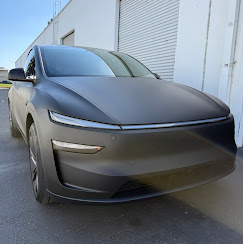
Understanding What Waterless Washing Is Meant For
A waterless car wash relies on lubricating sprays that surround dirt particles and lift them from the surface so they can be wiped away safely. These formulas are designed for light contamination, not heavy grime.
Good situations for waterless washing
-
Light dust, pollen, or fingerprints
-
Vehicles cleaned regularly
-
Garage-kept or daily-driven cars
-
Quick refreshes between full washes
Situations to avoid
-
Thick mud or sand buildup
-
Winter salt residue
-
Neglected vehicles with visible grit
One common mistake I see is people treating waterless washing like a shortcut for heavily soiled cars. That usually leads to swirl marks that don’t show up until the car is in direct sunlight.
Tools and Materials Matter More Than Most People Think
People often debate which spray works best, but tools play a bigger role than branding.
Microfiber towels are critical
Use plush, high-quality microfiber towels and plenty of them. Thin or worn towels push dirt instead of lifting it.
A safe setup includes:
-
One towel for the initial wipe
-
One towel for final buffing
-
Frequent towel changes during the process
If a towel touches the ground, don’t reuse it on paint.
Proper lubrication is non-negotiable
Under-spraying is one of the fastest ways to damage paint. The surface should appear evenly wet so contaminants can float away. If the panel feels grabby, stop and add more product.
Step-by-Step Waterless Car Wash Technique
1. Inspect before touching
Walk around the vehicle and check lower panels, bumpers, and behind the wheels. If you see grit buildup, skip those areas and plan a traditional wash instead.
2. Work panel by panel
Spraying the entire vehicle at once increases the chance of the product drying before wiping, especially in warm conditions.
3. Use straight-line motions
Straight-line wiping minimizes visible swirl patterns compared to circular motions. It’s a small detail that makes a noticeable difference over time.
4. Flip and replace towels often
As soon as one side of a towel shows dirt, flip it. Once all sides are used, switch to a clean towel.
5. Use minimal pressure
Let the product do the work. Pressing harder doesn’t clean better—it increases friction.
A Personal Observation from Experience
Over the years, I’ve noticed that most paint damage blamed on “soft clear coat” actually comes from rushed maintenance. Owners usually start carefully, then slowly cut corners—using fewer towels or wiping drier panels. Waterless washing is safe, but only when consistency is maintained.
Insider Tips That Make a Real Difference
Insider tip #1: Remove loose dust first
If you have access to a small blower or compressed air, use it before wiping. Removing loose dust reduces the amount of debris your towel has to handle, lowering scratch risk significantly.
Insider tip #2: Adjust technique for protected surfaces
Paint protection film, vinyl wraps, and matte finishes require a gentler approach:
-
Use extra lubrication
-
Avoid aggressive buffing
-
Pat dry instead of polishing
This approach is commonly recommended by professionals familiar with PPF Long Beach installations, where improper wiping can affect both appearance and longevity.
Benefits Beyond Water Savings
Water conservation is an obvious advantage, but many drivers value waterless washing for its flexibility. You can clean your vehicle:
-
Inside a garage
-
In apartment parking areas
-
During water restrictions
There’s also less runoff, which means fewer mineral deposits drying on the paint—especially noticeable on dark colors.
Still, waterless washing works best as part of a balanced routine, not as a total replacement for traditional washing.
Common Mistakes That Cause Long-Term Damage
Using the wrong towels
Paper towels or old cotton rags are abrasive and should never touch automotive paint.
Reusing dirty towels
A towel that looks “mostly clean” can still contain fine grit capable of scratching clear coat.
Overusing waterless methods
Even well-maintained vehicles benefit from an occasional full wash to remove bonded contaminants.
How Often Should You Use Waterless Washing?
For most daily-driven cars:
-
Once a week for light maintenance
-
After short trips that leave surface dust
-
Before meetings or events for a quick refresh
Pair waterless washing with periodic traditional washes to keep surfaces healthy long term.
Final Thoughts
Waterless car wash techniques work best when treated as a precision process rather than a shortcut. With the right towels, sufficient lubrication, and realistic expectations, they can safely maintain a vehicle’s appearance while saving time and water.
Also read for more information so click here.