
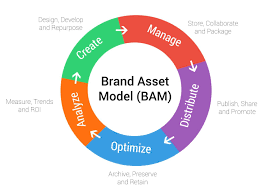
In the digital era, brands are no longer just about logos or slogans. They encompass an entire ecosystem of visual, textual, and digital assets that communicate a company’s identity to the world. From marketing materials and product images to videos, presentations, and social media content, managing these assets efficiently has become critical. This is where a brand asset management tool and brand asset management solution can make a significant difference for businesses of all sizes.
What is a Brand Asset Management Solution?
A brand asset management solution is a centralized platform designed to organize, store, and manage all of a company’s brand assets. Unlike simple file storage systems, these solutions are specifically built to maintain brand consistency, facilitate collaboration, and ensure that every asset is used appropriately across various channels.
Key functionalities include:
-
Centralized storage of logos, images, videos, and documents.
-
Version control to ensure only the latest assets are used.
-
Access control to manage permissions for internal teams and external partners.
-
Integration with marketing and creative tools to streamline workflows.
By implementing a brand asset management solution, companies can eliminate inefficiencies, reduce errors, and maintain a professional and cohesive brand image.
Understanding a Brand Asset Management Tool
A brand asset management tool is the software component of a brand asset management solution. It allows businesses to interact with their assets, categorize them, and make them accessible to employees, designers, and marketing teams in a secure environment.
Unlike traditional storage methods such as shared drives or email attachments, these tools provide advanced features such as:
-
Search and Filter: Quickly locate assets using tags, metadata, or keywords.
-
Collaboration Features: Allow multiple users to work on assets simultaneously.
-
Automated Workflows: Reduce repetitive tasks like approvals, updates, or distribution.
-
Analytics: Track asset usage and understand what content resonates best with audiences.
A brand asset management tool is not just a storage solution; it is an essential part of a company’s brand strategy that ensures consistency, efficiency, and security.
Why Businesses Need Brand Asset Management Solutions
Inconsistent branding can confuse customers and weaken a company’s market position. Businesses often face challenges like:
-
Misuse of logos or outdated materials.
-
Wasted time searching for the correct version of an asset.
-
Difficulty collaborating across departments or with external partners.
-
Limited insights into asset performance.
Implementing a brand asset management solution addresses these problems by providing a single source of truth for all brand-related content. This ensures that every campaign, advertisement, or presentation reflects the company’s identity accurately.
Benefits of a Brand Asset Management Tool
-
Centralized Asset Storage
Instead of scattering files across multiple platforms or devices, a brand asset management tool stores everything in one place. This centralization improves accessibility, reduces redundancy, and ensures everyone has access to the most recent assets. -
Enhanced Brand Consistency
Maintaining a consistent brand image is vital for recognition and trust. These tools enforce guidelines, ensuring that logos, colors, fonts, and messaging are used correctly in every context. -
Time and Cost Efficiency
By eliminating the need to manually search for assets or correct errors caused by outdated materials, companies save significant time and resources. Teams can focus on creative and strategic work rather than administrative tasks. -
Improved Collaboration
Modern businesses operate across multiple locations and platforms. A brand asset management solution allows internal teams and external agencies to collaborate in real-time, ensuring smooth workflows and reducing miscommunication. -
Security and Access Control
Protecting valuable brand assets from unauthorized use is crucial. These tools provide role-based access, ensuring that sensitive materials are only available to authorized personnel. -
Analytics and Reporting
Understanding how assets are used can inform marketing strategies. Many solutions offer analytics dashboards that track downloads, shares, and engagement metrics, helping businesses optimize their brand presence.
Choosing the Right Brand Asset Management Solution
Selecting the best solution depends on the unique needs of a business. Here are factors to consider:
-
Scalability: Can the platform handle growing asset volumes as your business expands?
-
User-Friendly Interface: Easy navigation ensures adoption by all team members.
-
Integration: Compatibility with existing tools such as CMS, CRM, and design software.
-
Security Features: Encryption, permissions, and secure sharing options.
-
Customer Support: Reliable support for troubleshooting and onboarding.
Some companies may prefer cloud-based solutions for remote accessibility, while others may opt for on-premise installations for maximum control. Evaluating these factors ensures a solution that fits both operational and strategic goals.
Real-Life Applications of Brand Asset Management
A brand asset management tool is versatile and can be applied across various industries:
-
Marketing Teams: Streamline campaigns, update promotional materials, and ensure brand consistency.
-
Design Departments: Collaborate on creative projects with version control and real-time feedback.
-
Sales Teams: Access up-to-date presentations, brochures, and media assets to enhance client interactions.
-
Corporate Communications: Manage internal documents, press kits, and event materials efficiently.
These solutions not only improve efficiency but also reinforce the overall brand perception in the market.
Future of Brand Asset Management
As businesses increasingly move toward digital-first strategies, the importance of brand asset management solutions will continue to grow. AI-powered tools are emerging, offering features like automated tagging, content recognition, and predictive analytics. These advancements further reduce manual work and allow brands to leverage their assets strategically for maximum impact.
Moreover, with remote work becoming the norm, cloud-based brand asset management tools enable seamless collaboration across continents, ensuring global teams can maintain brand integrity effortlessly.
Conclusion
A strong, consistent brand is a valuable asset for any business. Without proper management, even the best creative content can lose its impact. Investing in a brand asset management tool or brand asset management solution provides the structure, efficiency, and security needed to maximize the value of your brand assets.
From centralized storage and workflow automation to collaboration and analytics, these solutions empower businesses to maintain a professional and unified brand identity across all touchpoints. In today’s competitive market, adopting a comprehensive brand asset management strategy is no longer optional—it’s essential.
By implementing the right tools and solutions, businesses can save time, reduce errors, and focus on what truly matters: growing their brand, engaging audiences, and driving success.