In 2025, as e‑commerce and online retail continue to boom globally, high‑quality visuals have become more critical than ever. Consequently, product photography rates have become a key consideration for businesses, online sellers, and brands aiming to showcase their products effectively. But what determines these rates? And what can you expect to pay? This article unpacks the major factors influencing costs and offers guidance on what to budget — whether you are a seller or hiring a photographer.
Common Pricing Models: Per-Image, Hourly, Product or Project
Photographers and studios typically adopt one of several pricing models for product photography — and the choice of model affects overall cost significantly.
- Per‑image pricing: A very common model where the client pays a fixed rate for each final, edited image delivered.
- Hourly or daily rate: Some photographers charge by time spent — useful when the shoot includes many variations, unpredictable number of images, or complex set-up.
- Per‑product pricing: Instead of individual images, price is set per product — often including multiple angles or views.
- Flat project or package pricing: For catalog shoots, large orders or bundled services (shoot + retouching + usage rights), photographers/studios may offer a fixed project fee covering a set number of products and deliverables.
Each model has pros and cons. For small orders or few images, per‑image makes sense. For large catalogs or uncertain scope, hourly, per‑product or project pricing might be more efficient.
What Drives the Cost? Key Factors Affecting Product Photography Rates
Whether you are paying or quoting, it’s important to understand what factors push rates up or down.
Product Type, Complexity & Material
The nature of the product matters a lot. Simple items — like basic apparel, small accessories, or plain boxed goods — tend to be easier to photograph and often require minimal special lighting or editing.
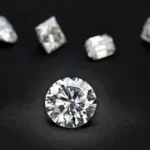
In contrast, complex products — such as jewelry, glassware, reflective or metallic surfaces, transparent packaging, textured materials — demand greater care: specialized lighting, precise camera work, careful backgrounds, and often more intensive post-production to handle reflections, shadows, color accuracy, and fine detail.
Consequently, such complexity tends to increase product photography rates in 2025.
Number of Products, Shots & Angles
Quantity affects pricing not just in total but often per-unit cost. If you need many products photographed (for a catalog or large inventory) — or multiple angles, color variants, close-ups, 360° spins — that naturally raises effort, time, and thus cost. Many services also offer bulk discounts for high numbers, which can reduce per-image or per-product rates when volume is large.
Additionally, requiring multiple images per product (front, back, side, detail) or extra shots (e.g., macro, texture, variants) increases workload and thus the cost.
Photography Style, Setup, and Shoot Requirements
The style of photography requested has a big impact on pricing. A plain white-background image in a studio (standard for many e‑commerce listings) is usually the most affordable.
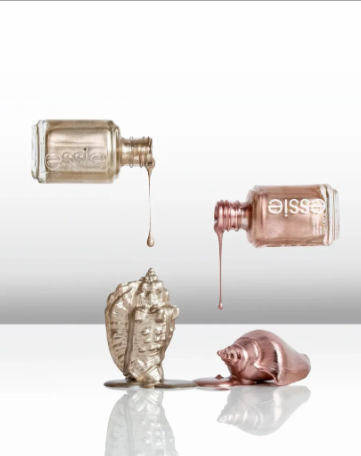
But more elaborate styles — lifestyle or contextual photography (with props, models, set design, stylized lighting) — cost more because they require additional preparation, creative direction, props, or even location rental.
Similarly, specialized types like 360° spin shots, ghost‑mannequin apparel shots, macro jewelry photography, or multi-angle product variants require more equipment, time, and expertise — all of which contribute to higher product photography rates.
Equipment, Studio Costs & Technical Infrastructure
Professional product photography often involves high-end cameras, specialized lenses, calibrated lighting, light tents or softboxes, controlled backdrops — especially when dealing with complex products or high-quality commercial output.
The cost of this equipment, studio space rent, lighting setup, and maintenance — as well as the photographer’s technical skill — influences the pricing. Studios or photographers investing in premium gear and controlled shooting environments tend to set higher rates to cover costs and justify value.
Conclusion
In 2025, product photography rates reflect a complex interplay of product type, shoot requirements, equipment, editing needs, usage rights, and market context. Investing in quality photography remains a worthwhile move for e-commerce success, brand identity, and customer trust. If you’re exploring quotes, make sure to clearly communicate your needs and understand what’s included — good product photography is more than taking pictures; it’s about presenting your brand in the best possible light. When done right, working with a skilled product photographer can make a significant difference in how your products appeal to customers and ultimately convert online.