First, What Ceramic Coating Is (and Isn’t)
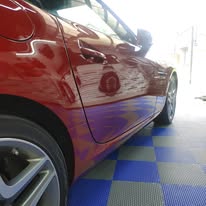
Ceramic coating creates a hard, semi-permanent protective layer on your vehicle’s paint. It resists contamination, improves gloss, and makes cleaning easier. What it does not do is make your car maintenance-free.
One common misconception is that ceramic coating replaces washing. In reality, it changes how you wash and how forgiving the surface is when you do.
A Common Mistake I See After Coating
Here’s a personal observation from working with coated vehicles regularly: many owners wait too long between washes because the car “still looks clean.”
That’s understandable. Ceramic-coated paint hides dirt well. But contaminants don’t stop accumulating just because you can’t see them. Over time, that buildup dulls hydrophobic performance and stresses the coating.
Ceramic coatings reward consistency, not neglect.
The First 7 Days: Setting the Foundation
Maintenance starts immediately after application.
During the first week:
-
Avoid washing the vehicle
-
Keep it out of rain if possible
-
Do not apply waxes or sprays
This is the curing phase. Exposing fresh coating to harsh chemicals or repeated moisture too soon can interfere with proper bonding. A little patience early on goes a long way later.
How Often Should You Wash a Ceramic-Coated Car?
A good baseline for most drivers is every 2–3 weeks. That may vary depending on environment and usage, but it’s a solid starting point.
If you drive:
-
In heavy traffic
-
Through construction zones
-
On dusty or salted roads
You may need to wash more often. The goal is to remove contamination before it starts clinging stubbornly to the coating.
Proper Washing Techniques Matter More Than Ever
Ceramic coating reduces the chance of scratching, but it doesn’t make paint scratch-proof. Improper washing can still create swirl marks—especially on darker colors.
Best practices include:
-
Pre-rinsing thoroughly to remove loose dirt
-
Using clean microfiber wash mitts
-
Employing a two-bucket method or equivalent
Avoid automatic car washes, particularly those with brushes. They’re one of the fastest ways to degrade a ceramic coating.
Insider Tip: Use Less Soap Than You Think
One insider tip many people don’t expect: ceramic-coated cars often need less soap, not more.
Excess soap can leave residue that interferes with water behavior and makes the coating seem weaker than it is. A high-quality, pH-neutral shampoo used sparingly usually performs better than heavy suds.
If the coating is healthy, the dirt should release easily.
Drying Is Not Optional
Letting a ceramic-coated car air dry might seem harmless, but it often leads to water spots—especially in hard-water areas.
Proper drying should involve:
-
Clean microfiber drying towels
-
Light pressure or blotting techniques
-
Working panel by panel
Water spots don’t just affect appearance; they can etch into the coating if left unchecked.
Decontamination: Yes, Even with Ceramic Coating
Another misconception is that ceramic coatings eliminate the need for decontamination. They don’t.
Over time, coatings collect:
-
Iron particles
-
Mineral deposits
-
Environmental fallout
Periodic chemical decontamination using coating-safe products helps restore slickness and hydrophobic behavior. This should be done gently and only when needed, not on a fixed schedule.
Insider Tip: Wheels and Lower Panels Tell the Truth
Here’s another insider insight: if you want to know how your coating is really doing, look at the wheels and lower panels.
These areas face the harshest conditions. If water stops beading there, it’s often an early sign the coating needs attention—either cleaning or decontamination.
Ignoring these zones while focusing only on the hood gives a false sense of performance.
What About Maintenance Sprays and Toppers?
Ceramic maintenance sprays can be useful, but they’re not mandatory.
When used correctly, they:
-
Refresh slickness
-
Enhance water behavior
-
Add a thin sacrificial layer
The key is moderation. Overusing toppers can mask issues rather than fix them, and buildup can reduce clarity over time.
Many detailing professionals recommend selective use of maintenance products, as explained in this guide on car detailing in fort worth tx, where ceramic coating care is discussed with a focus on long-term performance rather than short-term shine.
Interior and Trim Care Still Matters
Ceramic coating is usually applied to exterior paint, but the rest of the vehicle still needs attention.
Exterior trim, glass, and interiors should be cleaned with appropriate products that won’t leave residue or overspray onto coated panels.
Be cautious with:
-
Silicone-heavy dressings
-
Solvent-based cleaners
-
Products not designed for coated vehicles
Cross-contamination from trim products is a common cause of streaking and dull spots on coated paint.
Seasonal Maintenance Adjustments
Your maintenance routine should change slightly with the seasons.
In hotter months:
-
Wash more frequently to remove bug residue
-
Dry quickly to avoid water spots
In colder months:
-
Rinse salt and grime more often
-
Avoid letting contaminants sit for extended periods
Ceramic coatings help in all seasons, but they’re not immune to environmental stress.
How to Tell If Your Ceramic Coating Needs Help
Instead of asking how long a coating should last, ask how it behaves.
Signs it may need attention include:
-
Reduced water beading
-
Increased dirt adhesion
-
Roughness after washing
Often, these issues are caused by contamination, not coating failure. Proper cleaning and decontamination can restore performance without reapplication.
When Not to Overdo It
One thing I caution against is constant polishing or aggressive correction on ceramic-coated vehicles.
Polishing removes coating. Even light polishing shortens its lifespan. Correction should only be done when necessary, not as part of routine maintenance.
If you’re maintaining the coating correctly, the need for correction should be minimal.
Final Thoughts: Maintenance Is the Real Investment
Ceramic coating does its best work when paired with thoughtful care. It rewards gentle habits, regular cleaning, and realistic expectations.
The biggest difference I see between coatings that last and those that don’t isn’t product choice—it’s owner behavior after application.
Also read for more information so click here.