
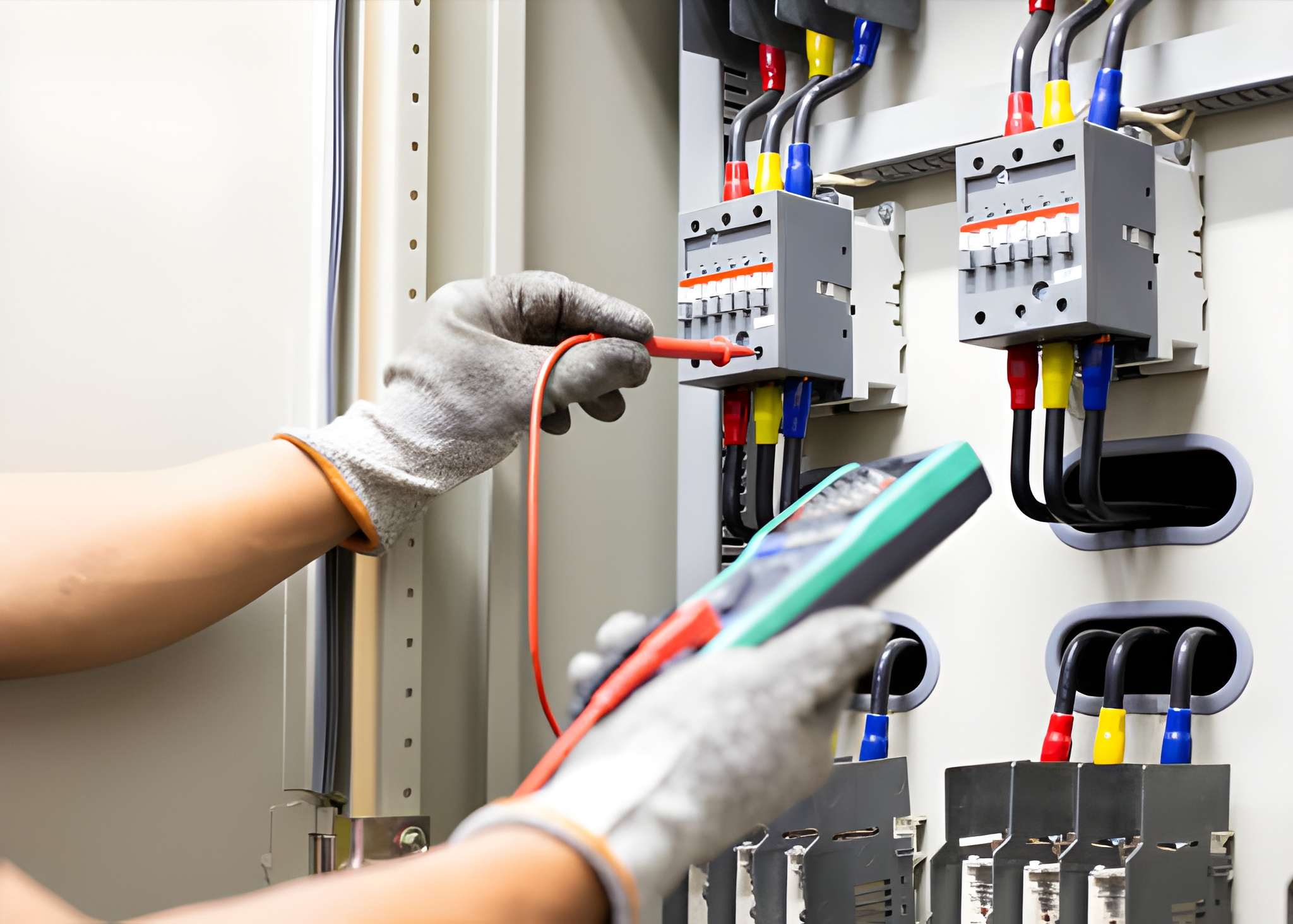
Electrical safety has become one of the most closely regulated aspects of UK property ownership. In East Ham—where older housing stock, high rental demand, and frequent property modifications intersect—electrical compliance is no longer a background issue. EICR in East Ham now plays a central role in protecting occupants, limiting legal exposure, and preserving long-term property value.
What an Electrical Condition Report Actually Assesses
An Electrical Installation Condition Report is a structured safety assessment of a property’s fixed electrical system. It is designed to identify risks that could lead to electric shock, fire, or system failure.
A professional inspection examines:
- Consumer units and protective devices
- Fixed wiring and circuit integrity
- Earthing and bonding arrangements
- Signs of overheating or deterioration
- Compliance with current safety standards
In areas like East Ham, where many homes have undergone piecemeal upgrades over decades, EICR in East Ham often reveals issues that are not visible during everyday use but still pose serious risks.
Legal Responsibilities for Property Owners in 2026
Landlord Obligations
UK landlords are legally required to:
- Hold a valid electrical safety report at least every five years
- Address any C1 (danger present) or C2 (potentially dangerous) observations
- Provide written confirmation of remedial work
- Share reports with tenants and local authorities upon request
Failure to comply can result in fines of up to £30,000, rent repayment orders, and restrictions on re-letting. In this context, EICR in East Ham is not optional—it is a foundational compliance requirement.
Homeowner Considerations
While owner-occupiers are not legally compelled to obtain a report, it is strongly recommended:
- Before selling a property
- After major renovations
- When purchasing older homes
- If electrical faults are suspected
For homeowners, inspections are about prevention rather than enforcement.
Why East Ham Properties Require Extra Attention
East Ham’s housing profile presents specific electrical challenges:
- Older wiring systems still in service
- Conversions with shared or altered circuits
- Increased electrical demand from modern appliances
- Inconsistent documentation from previous works
These factors increase inspection complexity and make EICR in East Ham particularly valuable as a diagnostic tool rather than a simple certificate.
Specialist providers such as London Property Inspections frequently encounter properties where small, overlooked defects collectively create significant safety exposure.
How Costs Are Influenced and Controlled
Electrical inspection costs are not arbitrary. They are influenced by:
- Property size and number of circuits
- Age and condition of the installation
- Accessibility of electrical components
- Whether the property is vacant or occupied
Attempting to minimise cost by choosing unrealistically cheap inspections often leads to missed defects and repeat assessments later. A properly conducted EICR in East Ham balances cost efficiency with inspection depth.
To control costs effectively:
- Schedule inspections well before tenancy deadlines
- Combine inspections with planned maintenance
- Address minor issues early before they escalate
Common Electrical Issues Identified Locally
During inspections, several issues appear repeatedly in East Ham homes:
Outdated Consumer Units
Older fuse boards without modern RCD protection significantly increase shock and fire risk.
Poor Earthing and Bonding
Inadequate bonding to gas and water services remains a common cause of unsatisfactory reports.
Overloaded Circuits
Modern living places far greater demand on systems never designed for today’s appliance load.
A thorough EICR in East Ham identifies these risks clearly, allowing owners to prioritise upgrades logically rather than reactively.
Electrical Safety as a Long-Term Investment
Electrical compliance should not be viewed as a recurring inconvenience. Properties with well-maintained systems:
- Experience fewer emergency call-outs
- Retain tenant confidence
- Attract better insurance terms
- Maintain stronger resale value
By 2026, electrical infrastructure is increasingly seen as part of a property’s overall quality. EICR in East Ham now contributes directly to how a property is perceived by tenants, buyers, and regulators alike.
Experienced assessors, including London Property Inspections, often advise landlords on phased improvements that align safety upgrades with long-term asset planning.
When to Reinspect Before the Five-Year Interval
You should consider an earlier inspection if:
- The property undergoes refurbishment
- Electrical capacity is increased
- Occupancy type changes
- Repeated faults occur
Waiting for the five-year deadline can leave owners exposed if conditions change significantly.
Final Expert Perspective
Electrical safety in 2026 is about foresight, not just compliance. A strategic approach to EICR in East Ham protects people, property, and financial interests simultaneously.
Landlords who plan ahead, homeowners who prioritise prevention, and managers who coordinate effectively all benefit from clear, professional assessments. Working with specialists such as London Property Inspections ensures inspections are accurate, proportionate, and aligned with current UK safety expectations.
Frequently Asked Questions (FAQs)
1. How often is an electrical inspection required for rental properties?
At least every five years, or sooner if the report specifies.
2. Can a landlord rent out a property with an unsatisfactory report?
No. All dangerous observations must be resolved before letting.
3. Are older properties judged more leniently?
No. All installations are assessed against current safety standards.
4. Do tenants have the right to see the report?
Yes. Landlords must provide a copy upon request.
5. Does an inspection include appliances?
No. It covers fixed electrical installations only.
6. Can electrical non-compliance affect insurance?
Yes. Insurers may reject claims if known defects were ignored.