
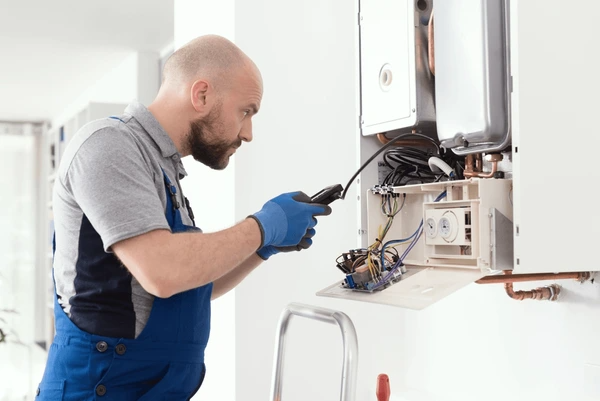
A boiler is one of the most relied-upon systems in a home, quietly delivering warmth and hot water through the coldest days of the year. Because it works behind the scenes, many homeowners don’t think about it until something goes wrong. Understanding the basics of boiler repair can help you respond quickly, avoid major breakdowns, and keep your heating system running efficiently.
This guide explains common boiler problems, why timely repairs matter, and how professional service protects both comfort and energy costs.
How Boilers Support Home Comfort
Boilers heat water and distribute warmth through radiators, baseboards, or radiant floor systems. Unlike forced-air heating, boilers provide steady, even heat without blowing air, which many homeowners find more comfortable.
However, boilers rely on several components working together, including:
-
Burners or heating elements
-
Heat exchangers
-
Pumps and valves
-
Pressure controls
-
Thermostats
When even one part underperforms, overall efficiency and reliability suffer.
Common Boiler Problems Homeowners Experience
Recognizing early warning signs allows for faster, less expensive repairs.
No Heat or Inconsistent Heating
This issue often stems from thermostat problems, circulation pump failures, or air trapped in the system.
Unusual Noises
Banging, whistling, or gurgling sounds can indicate mineral buildup, trapped air, or pressure imbalance.
Leaks or Drips
Water around the boiler may signal failing seals, corroded pipes, or faulty valves and should never be ignored.
Pressure Fluctuations
Low or high pressure can reduce heating performance and place strain on internal components.
Rising Energy Bills
A boiler that needs repair often works harder to produce the same level of heat, increasing fuel usage.
Why Timely Boiler Repair Is So Important
Delaying repairs may seem harmless at first, but small problems often grow into costly failures.
Prompt boiler repair helps:
-
Restore proper heating performance
-
Prevent damage to major components
-
Reduce energy consumption
-
Improve system safety
-
Extend the lifespan of the boiler
Early service is almost always more affordable than emergency replacement.
The Role of Professional Boiler Technicians
Boiler systems require specialized knowledge and training. Professional HVAC technicians use diagnostic tools to identify the root cause of issues rather than treating symptoms.
Qualified boiler repair specialists can:
-
Test pressure and temperature levels
-
Inspect burners and heat exchangers
-
Clean internal components
-
Replace worn parts safely
-
Ensure proper system calibration
Professional service ensures repairs meet safety standards and manufacturer guidelines.
Boiler Maintenance and Repair Go Hand in Hand
Regular maintenance reduces the need for frequent repairs. Seasonal inspections help catch minor issues before they escalate.
Typical maintenance includes:
-
Checking system pressure
-
Inspecting for leaks or corrosion
-
Cleaning burners and heat exchangers
-
Testing safety controls
-
Flushing the system if necessary
A well-maintained boiler runs more efficiently and delivers consistent warmth throughout the home.
When to Repair vs. Replace a Boiler
Not every problem requires replacement. Many boilers continue performing well with proper care.
Repair is often the right choice when:
-
The boiler is under 15 years old
-
Repairs are minor and infrequent
-
Efficiency remains relatively high
Replacement may be considered when:
-
Breakdowns occur frequently
-
Energy efficiency has significantly declined
-
Repair costs approach replacement value
A professional assessment helps homeowners make an informed decision.
How Boiler Repair Improves Energy Efficiency
When a boiler operates correctly, it uses less fuel to generate heat. Repairing faulty components improves heat transfer and reduces energy waste.
Benefits include:
-
Lower heating bills
-
Faster heat response
-
More consistent room temperatures
-
Reduced strain on the system
Efficiency gains are often noticeable shortly after repair.
Simple Tips to Support Boiler Performance
Homeowners can take small steps to help maintain boiler health between professional visits.
Helpful habits include:
-
Monitoring pressure levels
-
Keeping the area around the boiler clear
-
Scheduling annual inspections
-
Responding quickly to unusual noises or leaks
These actions support reliable operation and prevent avoidable damage.
Conclusion
Boiler repair is essential for maintaining a warm, safe, and energy-efficient home. By recognizing early warning signs and scheduling professional service promptly, homeowners can avoid unexpected breakdowns and extend the life of their heating system. With proper care, timely repairs, and regular maintenance, a boiler can continue delivering dependable comfort for many years to come.