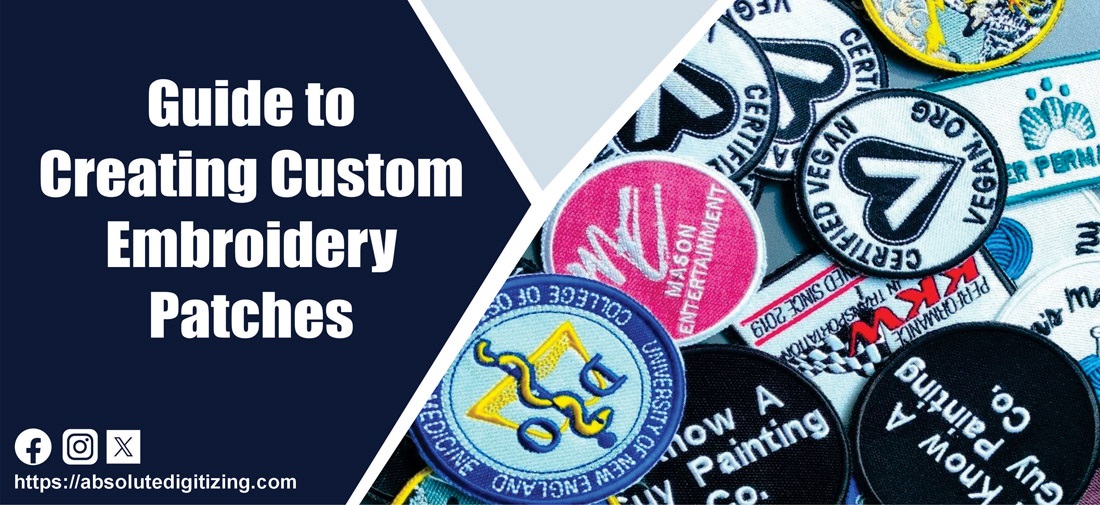
Hey, patch lovers! Nothing elevates a jacket, bag, or hat quite like a well-made embroidered patch. These little works of art let you showcase logos, express personality, or commemorate special moments with vibrant threads and durable construction. Choices in borders, backings, and overall styles play a huge role in how your patch looks, feels, and performs over time. Understanding the options helps you create something that stands out and lasts. Let’s break down the exciting world of Custom Embroidered Patches.
Popular Border Types
Borders frame your design and give patches a finished, professional edge. The classic merrowed border stands out as the most common. Makers stitch a thick overlock thread around the edge, raising it slightly for that traditional look. It works best on standard shapes like circles, squares, or shields because the machine wraps the thread continuously.
For irregular or detailed shapes, hot-cut borders take the lead. Creators use heat to seal and cut the twill precisely, allowing intricate contours without fraying. This laser-like finish creates clean lines and lets complex designs shine. Satin stitch borders offer another option, using dense zigzag stitching along the perimeter for a flatter, more elegant appearance. They suit smaller patches or ones needing a subtle frame.
Embroidered borders add texture by extending the design thread right to the edge—no separate overlock needed. They blend seamlessly for artistic effects but require careful digitizing to avoid gaps.
Essential Backing Options
Backings determine how you attach the patch and how sturdy it stays. Iron-on backing reigns supreme for quick, no-sew applications. A heat-activated adhesive layer lets you press the patch onto fabric in seconds. It works great for casual wear but may loosen over time with heavy washing.
Sew-on backing keeps things simple and permanent—no adhesive, just twill ready for needle and thread. This traditional choice offers maximum durability, perfect for uniforms or items that face rough handling.
Velcro backing splits into hook and loop sides, letting you swap patches easily. Tactical gear, military uniforms, and bags love this removable style. Plastic backing adds rigidity, preventing stretch and keeping shapes crisp on soft fabrics.
Adhesive backing provides a temporary stick for positioning before sewing, while no backing gives a lightweight, flexible feel for sewing directly onto delicate materials.
Thread Percentage and Coverage Styles
The amount of thread coverage defines the patch’s texture and look. Fully embroidered patches, often called 100% embroidered, cover the entire twill with stitches. They deliver bold, raised details and maximum durability—ideal for logos needing strong visual impact.
75% embroidered patches strike a balance. Thread covers three-quarters of the surface, leaving some twill visible for contrast. This reduces weight and cost while maintaining rich texture, perfect for medium-sized designs.
50% embroidered patches show more background fabric, creating a lighter, vintage vibe. They suit larger patches or budget-friendly runs where subtle detail matters more than dense coverage. Lower percentages emphasize outlines and key elements, offering a modern, minimalist aesthetic.
Specialty Styles for Unique Effects
Beyond basics, specialty styles push creativity further. 3D puff patches raise elements with foam underneath, making logos or text pop dramatically. They add dimension to hats and hoodies, turning flat designs into eye-catching statements.
Chenille patches use fuzzy yarn for a soft, looped texture reminiscent of varsity letters. They bring nostalgic charm to school awards or retro apparel. Woven patches, while not fully embroidered, often pair with embroidery for fine details—thinner threads allow sharper small text or gradients.
Appliqué patches layer fabric pieces stitched down with embroidered edges, mixing materials for bold color blocks and patterns. Glow-in-the-dark threads add nighttime visibility, great for safety gear or fun novelty items.
Metallic threads sparkle with gold, silver, or colorful sheen, elevating premium designs. Vintage distressed styles mimic worn-in looks through special stitching techniques.
Choosing the Right Combination
Match your choices to the patch’s purpose. For everyday jackets, merrowed borders with iron-on or Velcro backing and 75% coverage deliver versatility and style. Tactical or military uses demand hot-cut borders, Velcro, and plastic backing for precision and removability.
Promotional giveaways benefit from cost-effective 50% coverage with adhesive or iron-on options. High-end branding calls for 100% embroidery, satin borders, and metallic threads for luxury feel.
Consider fabric too—stretchy materials need flexible backings, while heavy denim handles rigid ones well. Size matters: small patches favor satin or hot-cut borders, larger ones thrive with merrowed.
Care and Longevity Tips
Proper care extends your patch’s life. Sew-on beats iron-on for frequent washing—use cold cycles and turn garments inside out. Avoid bleach on vibrant threads. Store patches flat to prevent creasing.
For Velcro, clean hooks regularly to maintain grip. Heat from dryers can weaken iron-on adhesive over time, so air dry when possible. Quality thread and twill resist fading, but direct sunlight speeds color loss.
Conclusion
Custom embroidered patches offer endless ways to personalize through smart choices in borders, backings, and styles. Merrowed or hot-cut edges frame beautifully, iron-on or Velcro simplifies attachment, and coverage levels set the texture tone. Specialty options like puff or chenille add extra flair for standout results. Mix and match based on your needs, and enjoy patches that look sharp and endure daily adventures. Start planning your next design—the perfect combination awaits your creativity!