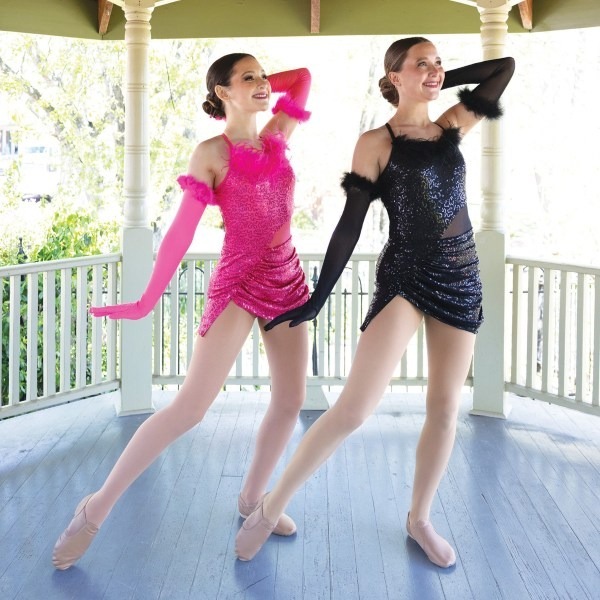
Dance is more than just movement—it is expression, storytelling, and emotion brought to life. While technique and music play a vital role, dance costumes are equally important in shaping how a performance is experienced. A well-designed costume enhances grace, supports movement, and visually connects the dancer to the theme of the performance. From classical traditions to modern styles, dance costumes have evolved into a powerful element of performance art.
The Importance of Dance Costumes in Performance
Dance costumes are not just decorative outfits; they are a visual language. They help convey mood, culture, and character without words. When a dancer steps onto the stage, the costume creates the first impression even before the first move begins.
Properly designed dance costumes:
-
Highlight body movements and posture
-
Complement the dance style and music
-
Boost the dancer’s confidence
-
Enhance storytelling and emotional impact
A costume that flows with movement can make jumps look higher, spins smoother, and gestures more expressive.
Evolution of Dance Costumes Over Time
Historically, dance costumes were heavily influenced by tradition, culture, and available materials. In classical forms, costumes were designed to reflect mythology, rituals, and regional identity. Over time, innovation in fabrics and fashion has transformed costume design.
Modern dance costumes now balance tradition with comfort, flexibility, and stage presence. Lightweight materials, stretch fabrics, and creative silhouettes allow dancers to perform complex movements while maintaining visual appeal.
Dance Costumes Across Different Dance Forms
Classical Dance Costumes
Classical dance forms rely heavily on traditional attire. These costumes are rich in symbolism, colors, and craftsmanship. They often include handcrafted elements, embroidery, jewelry, and specific draping styles that have been preserved for generations. Such dance costumes emphasize posture, expressions, and precise movements.
Folk Dance Costumes
Folk dance costumes represent regional identity and cultural heritage. Each design tells a story of local traditions, festivals, and daily life. Bright colors, bold patterns, and natural fabrics are common features. These dance costumes help preserve cultural authenticity and bring vibrancy to the stage.
Contemporary and Modern Dance Costumes
Contemporary dance costumes focus on minimalism and freedom of movement. Neutral colors, asymmetrical designs, and breathable fabrics are often used to support abstract storytelling. These costumes allow dancers to move naturally while emphasizing emotion and expression.
Hip-Hop and Street Dance Costumes
Hip-hop dance costumes are inspired by urban fashion and individuality. Loose fits, layered clothing, bold prints, and accessories play a major role. These costumes reflect confidence, energy, and personal style, making each performance unique.
Ballet Dance Costumes
Ballet costumes are designed for elegance and precision. Tutus, leotards, and tights enhance posture and line clarity. These dance costumes are lightweight and structured to support balance and fluid movement while maintaining a graceful appearance.
Key Elements of a Perfect Dance Costume
Fabric Selection
Fabric choice is one of the most critical aspects of dance costumes. Stretchable, breathable, and durable materials ensure comfort during long performances. Fabrics like chiffon, lycra, satin, and velvet are commonly used depending on the dance style.
Fit and Comfort
A costume should fit perfectly without restricting movement. Ill-fitting dance costumes can distract performers and limit flexibility. Comfort allows dancers to focus entirely on their performance.
Color and Design
Colors play a psychological role in performance. Bright shades convey energy, while soft tones express calmness and emotion. Costume designs should complement stage lighting and avoid overpowering the dancer’s movements.
Durability and Maintenance
Dance costumes must withstand repeated use, washing, and travel. High-quality stitching and materials ensure longevity and reduce the need for frequent replacements.
How Dance Costumes Enhance Storytelling
Dance is often used to narrate stories, and costumes serve as visual cues for the audience. Whether portraying a historical character, an emotion, or a concept, dance costumes help define roles clearly. Costume changes can signify transitions in time, mood, or character development during a performance.
For group performances, coordinated dance costumes create harmony and unity on stage. They help audiences focus on collective movement rather than individual differences.
Custom Dance Costumes vs Ready-Made Options
Custom dance costumes are tailored to fit specific body measurements, themes, and choreography. They offer uniqueness and a professional finish but may require more time and investment.
Ready-made dance costumes are cost-effective and easily available. They are ideal for practice sessions, beginner performances, or last-minute requirements. Choosing between the two depends on performance scale, budget, and artistic vision.
The Role of Dance Costumes in Competitions
In dance competitions, costumes can influence overall presentation and scoring. Judges often assess appearance, coordination, and stage presence along with technique. Well-designed dance costumes can elevate a performance by creating a strong visual impact and reinforcing choreography themes.
However, costumes should never overshadow dance skills. Balance is key—simplicity combined with elegance often leaves the strongest impression.
Choosing the Right Dance Costume
When selecting dance costumes, dancers and choreographers should consider:
-
Dance style and theme
-
Stage size and lighting
-
Age group and comfort level
-
Performance duration
-
Budget and maintenance
Testing the costume during rehearsals ensures it performs well under real conditions.
Sustainability in Dance Costumes
With growing awareness of sustainability, eco-friendly dance costumes are gaining attention. Designers are now using recycled fabrics, natural dyes, and reusable designs to reduce environmental impact. Sustainable choices not only benefit the planet but also promote responsible creativity within the dance community.
Conclusion
Dance costumes are an essential part of every performance, blending art, culture, and functionality. They enhance movement, express emotion, and connect dancers with audiences on a deeper level. Whether rooted in tradition or shaped by modern trends, the right dance costume transforms a performance into a memorable visual experience.
By understanding the importance of design, comfort, and storytelling, dancers can choose costumes that truly reflect their art. In the world of dance, movement may tell the story—but dance costumes bring that story to life.