
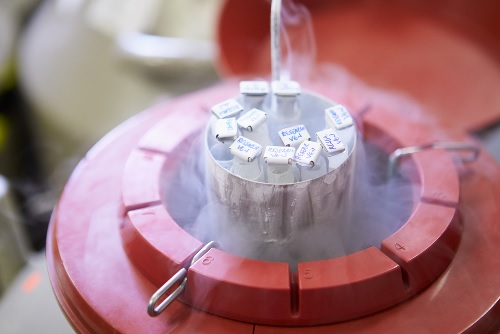
Embryo freezing, also known as embryo cryopreservation, has become one of the most reliable and advanced fertility preservation techniques in modern reproductive medicine. It offers hope to individuals and couples who want to delay pregnancy while maintaining the possibility of biological parenthood in the future. With increasing awareness, medical advancements, and lifestyle changes, embryo freezing is now widely accepted across the world.
What Is Embryo Freezing?
Embryo freezing is a medical process in which fertilized embryos are preserved at extremely low temperatures for future use. The embryos are created through in vitro fertilization (IVF) by combining eggs and sperm in a laboratory. Once healthy embryos are formed, they are frozen using a specialized cryopreservation technique and stored safely until the individual or couple is ready for embryo transfer.
This fertility preservation method ensures that the embryos remain viable for years without losing their developmental potential.
How Does the Embryo Freezing Process Work?
The embryo freezing process involves several carefully monitored steps:
-
Ovarian stimulation – Hormonal medications are used to stimulate the ovaries to produce multiple eggs.
-
Egg retrieval – Mature eggs are collected through a minor medical procedure.
-
Fertilization – Eggs are fertilized with sperm in a laboratory to create embryos.
-
Embryo development – The embryos are observed for several days to ensure healthy growth.
-
Cryopreservation – High-quality embryos are frozen using vitrification, a fast-freezing method that prevents ice crystal formation.
-
Storage – Frozen embryos are stored in secure cryogenic tanks until needed.
Who Should Consider Embryo Freezing?
Embryo freezing is suitable for a wide range of individuals and situations, including:
-
Couples planning to delay pregnancy due to career or personal reasons
-
Women undergoing cancer treatment or medical therapies that may affect fertility
-
Individuals facing age-related fertility decline
-
Couples undergoing IVF with extra embryos for future attempts
-
Those planning family balancing or multiple pregnancies later
This advanced fertility solution offers flexibility and peace of mind for future family planning.
Benefits of Embryo Freezing
There are several advantages of embryo freezing that make it a preferred fertility preservation option:
-
Higher success rates compared to egg freezing
-
Long-term fertility preservation with no significant loss in embryo quality
-
Reduced need for repeated ovarian stimulation
-
Lower emotional and financial stress during future IVF cycles
-
Safe and proven technology with decades of successful outcomes
Frozen embryo transfer cycles often show similar or even higher success rates compared to fresh embryo transfers.
Is Embryo Freezing Safe?
Yes, embryo freezing is considered a safe and well-established medical procedure. Advances in vitrification technology have significantly improved embryo survival rates after thawing. Studies indicate that babies born from frozen embryos are just as healthy as those conceived naturally or through fresh IVF cycles.
The storage process is highly regulated, and embryos can remain frozen for many years without compromising their quality.
Success Rate of Embryo Freezing
The success of embryo freezing depends on factors such as the age of the woman at the time of egg retrieval, embryo quality, and overall reproductive health. Younger women generally have higher success rates because egg quality plays a crucial role in embryo development.
With modern cryopreservation techniques, embryo survival rates after thawing can exceed 95%, making it a reliable fertility treatment option.
Embryo Freezing vs Egg Freezing
While both methods are used for fertility preservation, embryo freezing typically offers higher success rates because fertilization has already occurred. Egg freezing is ideal for single women or those not ready to use sperm, whereas embryo freezing is better suited for couples or individuals who want a more predictable outcome.
Choosing between the two depends on personal circumstances, medical advice, and long-term family goals.
Cost of Embryo Freezing
The cost of embryo freezing varies depending on the clinic, location, and treatment plan. It usually includes IVF treatment, freezing procedures, and annual storage fees. Although it may seem expensive initially, embryo freezing can be cost-effective in the long run by reducing repeated IVF cycles.
Conclusion
Embryo freezing is a powerful fertility preservation solution that provides flexibility, control, and hope for the future. With its high success rates, safety, and long-term benefits, it has become a preferred choice for individuals and couples planning parenthood on their own timeline. As reproductive technology continues to evolve, embryo freezing stands as a reliable bridge between present decisions and future dreams of building a family.