
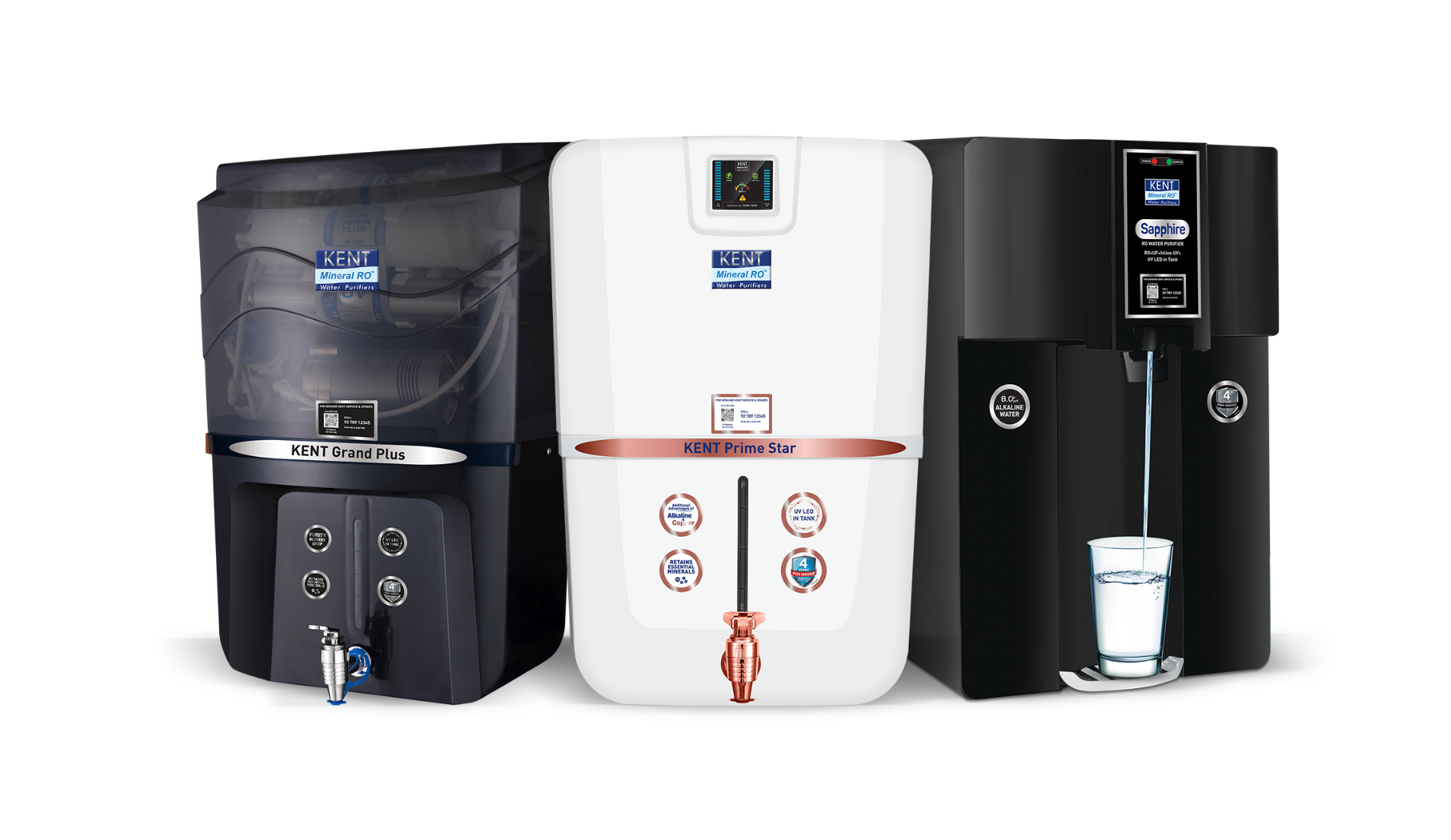
Clean drinking water is a daily necessity, and many households rely on RO systems to provide it. While these systems offer safe Water Purification, they also use electricity and waste water during the process. With a few practical adjustments, it is possible to reduce water loss and energy consumption without affecting the quality of filtered water. Small steps, such as regular maintenance, smart use habits, and choosing the right features, can make your RO more efficient and cost-effective. This article shares simple and actionable tips to help you save money, reduce waste, and make your home more sustainable.
How RO Systems Use Energy and Water?
Understanding how the system works helps identify where waste occurs. RO units filter water using high pressure, which requires electricity. In many systems, a large amount of water is rejected during the process. Without proper care, both electricity and water usage increase over time. Knowing this makes it easier to manage efficiency.
Water-Saving Tips for Your RO
Small changes can help reduce water loss from daily filtration. Here are a few tips that can save water in your RO.
1. Reuse Rejected Water
RO purifiers release wastewater during filtration. Instead of letting it drain away, collect and reuse it for tasks like floor cleaning, gardening, or washing utensils. This cuts daily wastage and supports responsible Water Purification.
2. Install Zero-Water-Wastage Technology
Modern RO systems feature features that return rejected water to the overhead tank. If your current system lacks this, consider upgrading. It reduces overall water loss and makes the system more efficient.
3. Match System Capacity to Household Needs
Using a high-capacity purifier for a small family results in unnecessary water and energy use. Choose a system that fits your daily needs and water quality. This ensures better efficiency and lower waste.
Must Read: How a Vacuum Cleaner Helps You Save Time and Effort?
Energy-Saving Tips for Your RO
Energy-efficient use extends the life of your RO and reduces electricity bills.
1. Turn Off the System When the Tank Is Full
Many users leave the RO running even after the tank fills. This leads to continuous electricity use. Switch it off once the storage tank is full and turn it on only when needed.
2. Keep the Filters and Membrane Clean
Dirty filters make the motor work harder to maintain water flow. Replace the pre-filters every 3 to 6 months, and replace the membrane as recommended. Clean filters help improve water purification and reduce energy consumption.
3. Ensure Proper Water Pressure
Low water pressure makes the pump work longer and use more electricity. Install a booster pump if needed or check for blockages. Optimal pressure keeps the RO system efficient.
Maintenance for Long-Term Efficiency
Regular maintenance keeps the system running smoothly and reduces waste.
1. Schedule Professional Servicing
Get your RO serviced at least twice a year. Professionals check for leakage, pressure issues, and filter performance. This ensures the system uses only the energy and water required.
2. Monitor Wastewater Levels
Track how much wastewater the system produces daily. A sudden increase may signal a damaged membrane or filter. Fixing this early prevents unnecessary loss and keeps Water Purification effective.
Choosing an Efficient RO System
The right system can save resources from day one.
1. Look for High Recovery Rate
Select systems that recover more water during water purification. Models with higher recovery rates waste less and provide more output.
2. Check Power Consumption
Choose a system with a low-power motor and an energy-efficient design. This reduces electricity use in the long run.
Conclusion
An RO system protects your home with clean drinking water, but it should not lead to excessive water or energy waste. With simple steps like reusing rejected water, cleaning filters on time, and switching off the system when not in use, households can make water purification more efficient. Choosing the right model, monitoring performance, and planning timely maintenance also help lower costs and extend system life. Efficiency is not about major changes; it starts with everyday habits. A few smart adjustments can make your RO system cleaner, smarter, and more sustainable for the future.