
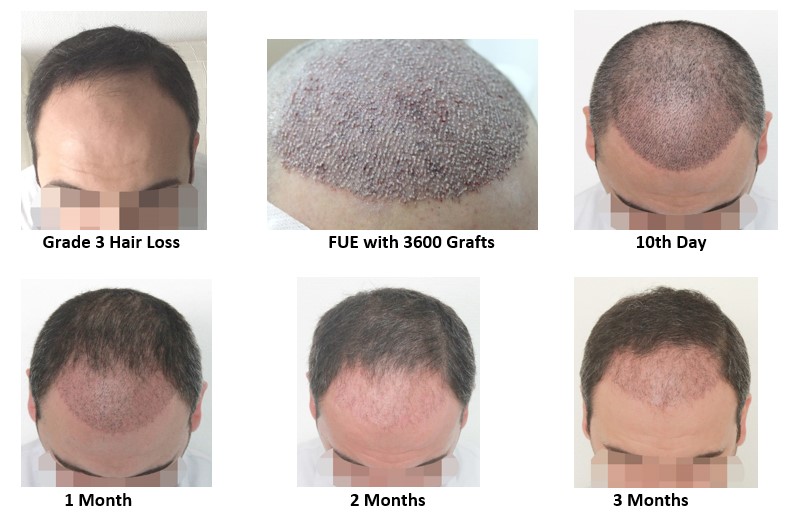
A hair transplant does not end when the surgery finishes. In fact, the real journey starts after you leave the clinic. Many patients worry about pain, healing time, and when they will finally see new hair growth. Confusion often comes from unrealistic timelines shared online.
This article explains the hair transplant recovery timeline in a clear, honest, and medical way. If you plan a hair transplant surgery or have already chosen a hair transplant clinic, this guide prepares you for what actually happens—day by day and month by month.
Why Understanding Recovery Matters
Patients who understand recovery:
-
Heal faster
-
Panic less
-
Follow the aftercare better
-
Feel more satisfied with results
Hair restoration works best when expectations match biology, not social media photos.
Day 1 to Day 3: Immediate Post-Surgery Phase
The first few days focus on protection and rest.
Pain and Discomfort
Most patients describe pain as mild to moderate. Doctors usually prescribe pain relievers for comfort.
Local anesthesia wears off within hours, not days. Severe pain is uncommon and should be reported.
Swelling
Swelling may appear on the forehead or around the eyes. It peaks around day two and fades by day five.
This happens due to fluid movement, not surgical error.
Source: American Academy of Dermatology
Days 4 to 7: Early Healing Stage
This phase often causes anxiety, but healing progresses normally.
Scab Formation
Small scabs form around transplanted grafts. They protect healing skin and fall off naturally.
Patients should not pick scabs. Forced removal can damage grafts.
Redness
Redness remains visible, especially in fair skin. It gradually fades over the next few weeks.
Activity Level
Light walking is fine. Heavy exercise, sweating, and sun exposure should wait.
Week 2: Grafts Are Secure
By the second week, grafts anchor firmly into the scalp.
This is an important milestone:
-
Normal hair washing resumes
-
Scabs disappear
-
Risk of graft loss drops significantly
Patients often feel relieved at this stage.
Weeks 2 to 8: The Shock Loss Phase
This phase surprises many first-time patients.
What Is Shock Loss?
Shock loss refers to temporary shedding of transplanted hair. The follicles remain alive under the skin.
This shedding:
-
Starts around week two
-
Peaks by week six
-
Ends naturally
Doctors consider this phase normal.
Source: International Society of Hair Restoration Surgery (ISHRS)
Month 3: The “Quiet” Phase
Month three tests patience.
-
The scalp looks normal
-
Hair growth appears minimal
-
Patients often worry unnecessarily
In reality, follicles prepare for the growth cycle beneath the skin.
This stage rewards patience, not panic.
Months 4 to 6: Visible Hair Growth Begins
This is when excitement returns.
Early Growth
New hair starts growing:
-
Thin
-
Soft
-
Slightly uneven
This hair thickens gradually.
Density Improvement
By month six, patients notice visible improvement in coverage and shape.
Hair texture may feel different initially. It normalizes over time.
Source: Journal of Cutaneous and Aesthetic Surgery
Months 7 to 9: Hair Maturation Phase
Hair begins to behave like natural hair.
-
Thickness improves
-
Texture normalizes
-
Styling becomes easier
Patients regain confidence during this stage.
Those who undergo hair transplant surgery with proper planning usually see balanced, natural progress.
Months 10 to 12: Final Results Take Shape
Most patients achieve 80–90% of final results by month twelve.
Hair continues to mature subtly beyond one year, especially in crown areas.
Doctors usually schedule a final assessment around this time.
Does Recovery Differ by Technique?
Yes, recovery can vary slightly.
FUE Recovery
-
Faster healing
-
Minimal scarring
-
Less post-operative discomfort
FUT Recovery
-
Linear donor scar
-
Slightly longer healing
-
Similar growth timeline
Both methods share the same biological growth cycle.
Factors That Affect Recovery Speed
Recovery depends on several controllable and uncontrollable factors.
Surgeon Skill
Proper graft handling reduces trauma and speeds healing.
Clinic Standards
A professional hair transplant clinic maintains sterile conditions and proper aftercare guidance.
Patient Compliance
Patients who follow instructions heal faster and achieve better growth.
Individual Biology
Age, health, and scalp condition also play a role.
Common Recovery Mistakes to Avoid
Many complications come from avoidable mistakes.
❌ Touching grafts
❌ Skipping medications
❌ Early exercise
❌ Smoking during recovery
❌ Sun exposure
Doctors give instructions for a reason, not formality.
Is Pain Normal During Recovery?
Mild discomfort is normal during the first few days.
Pain should not:
-
Increase after day three
-
Interfere with sleep
-
Persist for weeks
Persistent pain requires medical evaluation.
Psychological Side of Recovery
Hair transplant recovery is as much mental as physical.
Patients often experience:
-
Anxiety during shedding
-
Impatience during slow growth
-
Excitement during visible progress
Understanding the timeline helps manage emotions better.
When to Contact Your Hair Transplant Clinic
Patients should contact their clinic if they notice:
-
Severe pain
-
Signs of infection
-
Excessive swelling
-
Unusual discharge
Early communication prevents complications.
Long-Term Care After Recovery
Once recovery completes:
-
Hair can be cut and styled normally
-
Regular hair care resumes
-
Medical therapy may continue for native hair
A hair transplant restores hair, but maintenance protects results.
Final Thoughts: Recovery Is a Process, Not an Event
Hair transplant recovery follows biology, not deadlines. Patients who respect the timeline enjoy better outcomes and less stress.
A successful hair transplant surgery depends on:
-
Proper technique
-
Skilled surgeons
-
Patient patience
If you choose a reputable hair transplant clinic and follow medical advice, recovery becomes smooth, predictable, and rewarding.
Good hair takes time—nature does not rush, and neither should you.
Trusted Medical Sources
-
International Society of Hair Restoration Surgery (ishrs.org)
-
American Academy of Dermatology
-
Dot Clinics
-
Journal of Cutaneous and Aesthetic Surgery