
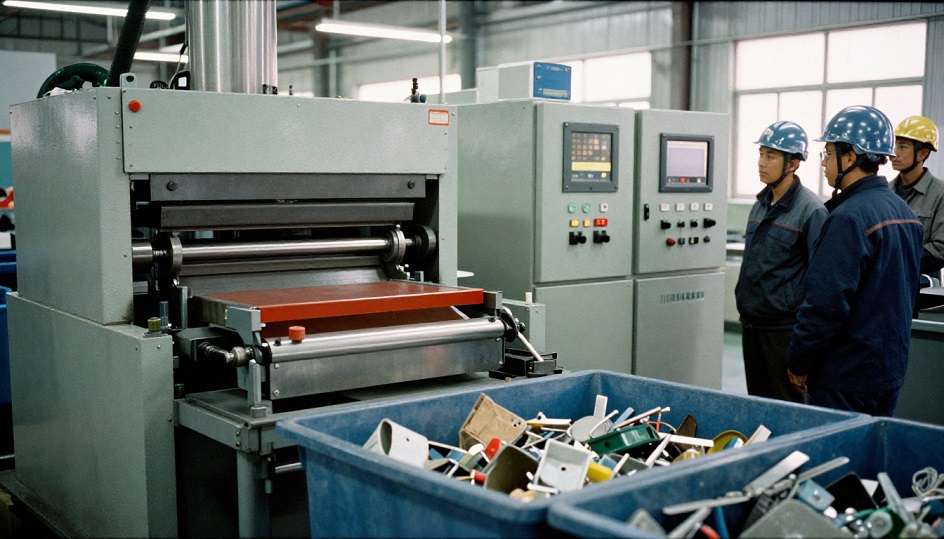
Inside a plastic factory the goal stays simple. Produce strong containers with steady quality while keeping waste low. Scrap plastic costs money. It slows production. It also creates handling problems during long shifts. This is where an extrusion blow molding machines makes a real difference. The process follows a controlled path that limits excess plastic at every stage.
This article explains how an extrusion blow molding machine reduces material waste during daily production. The focus stays practical and human so the working logic feels clear inside real manufacturing units.
What Material Waste Looks Like in Plastic Production
Material waste appears in many forms during plastic manufacturing. Uneven wall thickness leads to rejected parts. Excess trimming creates scrap piles. Poor temperature control damages material before forming even starts.
Blow molding machines address these problems through steady flow and accurate shaping. Instead of guessing adjustments operators work with measured values that guide every cycle.
How Controlled Melting Reduces Early Material Loss
The waste reduction process starts during melting. Plastic granules enter the heated barrel and move forward through a rotating screw. The goal stays smooth melting rather than fast melting.
In older systems uneven heating caused burning or partial melting. That damaged material before shaping. Modern extrusion blow molding machines regulate heat across multiple zones. The computer operating system keeps temperature stable during long runs.
Stable melting protects material quality and reduces early scrap.
How Parison Control Prevents Uneven Wall Thickness
Parison formation plays a major role in waste control. The parison is the hollow tube that later inflates inside the mold. If thickness varies the final product fails inspection.
Extrusion blow molding machines monitor parison shape continuously. Sensors adjust material flow while production continues. This keeps walls balanced without stopping the line.
Balanced walls mean fewer rejected containers and less trimming waste.
How Mold Inflation Reduces Excess Plastic Use
During inflation compressed air pushes the parison against mold walls. The mold defines final shape and size.
Inconsistent air pressure stretches material unevenly. That creates weak spots or thick corners that need trimming. Blow molding machines use preset pressure values matched to product size.
This controlled inflation forms strong containers using only the needed amount of plastic.
How Cooling Efficiency Supports Waste Reduction
Cooling fixes product shape. Poor cooling causes warping which leads to scrap. Extrusion blow molding machines use uniform cooling channels that remove heat evenly.
Balanced cooling shortens cycle time while protecting shape accuracy. Products release cleanly without distortion. This prevents rejections caused by deformation.
Cooling efficiency plays a direct role in daily waste control.
How Trimming Waste Gets Reduced
Trimming waste comes from excess material around the neck or base. Accurate parison length and mold closing reduce this excess.
Modern blow molding machines produce cleaner edges that need less trimming. When trimming occurs the material often returns into internal recycling systems.
Lower trimming volume means lower waste handling and faster production flow.
DID YOU KNOW?
Manufacturing plants using controlled extrusion blow molding processes often reduce plastic scrap levels by more than twelve percent during extended production shifts.
How Computer Operating Systems Control Material Use
Computer operating systems act as the brain of modern extrusion blow molding machines. These systems regulate temperature screw speed air pressure and cooling timing.
Live monitoring allows small corrections during production rather than after defects appear. Operators adjust values while material continues flowing.
This real time control prevents large batches of wasted products and protects raw material supply.
Real Factory Example One
A factory producing cleaning product bottles noticed increasing scrap during afternoon shifts. Data showed temperature drift inside the barrel. After stabilizing heating zones through the operating system scrap dropped without stopping production.
Material savings continued across future shifts.
Real Factory Example Two
A plant producing industrial containers faced heavy trimming waste. Parison length adjustments reduced excess material at the base. Trimming volume dropped and recycled material handling improved.
These examples show how understanding the process directly reduces waste.
Comparison Table Between Traditional and Modern Waste Control
| Area | Traditional Blow Molding Approach | Extrusion Blow Molding Machine |
|---|---|---|
| Melt Stability | Inconsistent heating causes damaged material | Balanced heating protects material quality |
| Parison Control | Manual checks after defects appear | Live thickness control during production |
| Air Inflation | Uneven pressure creates scrap | Controlled pressure forms balanced walls |
| Cooling Control | Warping leads to rejection | Even cooling preserves shape |
| Trimming Waste | Large excess material | Minimal trimming volume |
| Scrap Management | Reactive handling | Preventive waste reduction |
This comparison explains how modern machines reduce waste at multiple stages.
Why Reduced Waste Improves Overall Productivity
Lower waste means fewer interruptions. Operators spend less time handling scrap. Machines stay productive longer. Raw material lasts longer across shifts.
Reduced waste also improves storage and logistics. Finished products move faster through packing without delays caused by quality issues.
Factories benefit financially while maintaining cleaner production floors.
Why Operators Matter in Waste Reduction
Even advanced blow molding machines rely on skilled operators. Understanding how each stage affects material use allows faster adjustments.
Operators who understand melting parison behavior inflation and cooling solve problems before scrap builds up. Training improves waste control without slowing output.
Human knowledge combined with machine control creates the best results.
Conclusion: Why Extrusion Blow Molding Machines Reduce Waste Effectively
An extrusion blow molding machine reduces material waste through controlled melting accurate parison shaping balanced inflation and steady cooling. Each stage works together in one continuous flow that protects plastic quality and limits excess material use.
Computer operating systems guide production in real time so adjustments happen during operation rather than after failure. This keeps scrap levels low and output stable across long shifts.
Factories rely on blow molding machines because waste reduction improves efficiency protects raw material supply and supports consistent production. When operated with understanding and control these machines turn plastic into finished products with minimal loss and maximum value.
Visit for future updates at elkieandfox.com