
Maintaining meat quality begins before delivery to the kitchen. Restaurants focus on sourcing meat from trusted suppliers who follow hygiene and storage rules. Chefs understand that meat quality depends on how it is raised, handled, and transported. Cold storage trucks and refrigerated delivery systems keep meat at a safe temperature preventing bacterial growth. Restaurants train staff to check every delivery, observing color, smell and texture.
Why Do Temperature Controls Matter in Meat Preservation?
Temperature is key to keeping meat fresh. A few degrees above the safe level can increase bacterial growth. Restaurants use cold storage units with precise settings for different meats. For example beef may stay colder than poultry to maintain color and texture.
A restaurant manager once shared how a small refrigerator fault caused a batch of steaks to spoil. This showed the importance of constant temperature checks. Kitchens now use digital thermometers and automatic alerts to prevent meat from going above safe limits.
Temperature also affects taste. Meat kept too warm develops sour taste while meat kept too cold may freeze changing its texture. Maintaining consistent temperature protects quality and ensures customers receive tender meat.
How Does Proper Meat Handling Improve Quality?
Even fresh meat can spoil if handled poorly. One chef shared a story from early kitchen days. Raw chicken was placed near beef by mistake which caused early spoilage. Restaurants now follow strict hygiene rules. Staff use gloves, aprons and hairnets to keep meat safe.
Proper handling also protects texture. Over-handling bruises the meat making it lose moisture and toughness. Staff lift the place and portion meat carefully to keep the natural structure. Restaurants also portion meat for cooking ensuring even heat and consistent taste for each food.
What Role Does Meat Wrapping Play in Freshness?
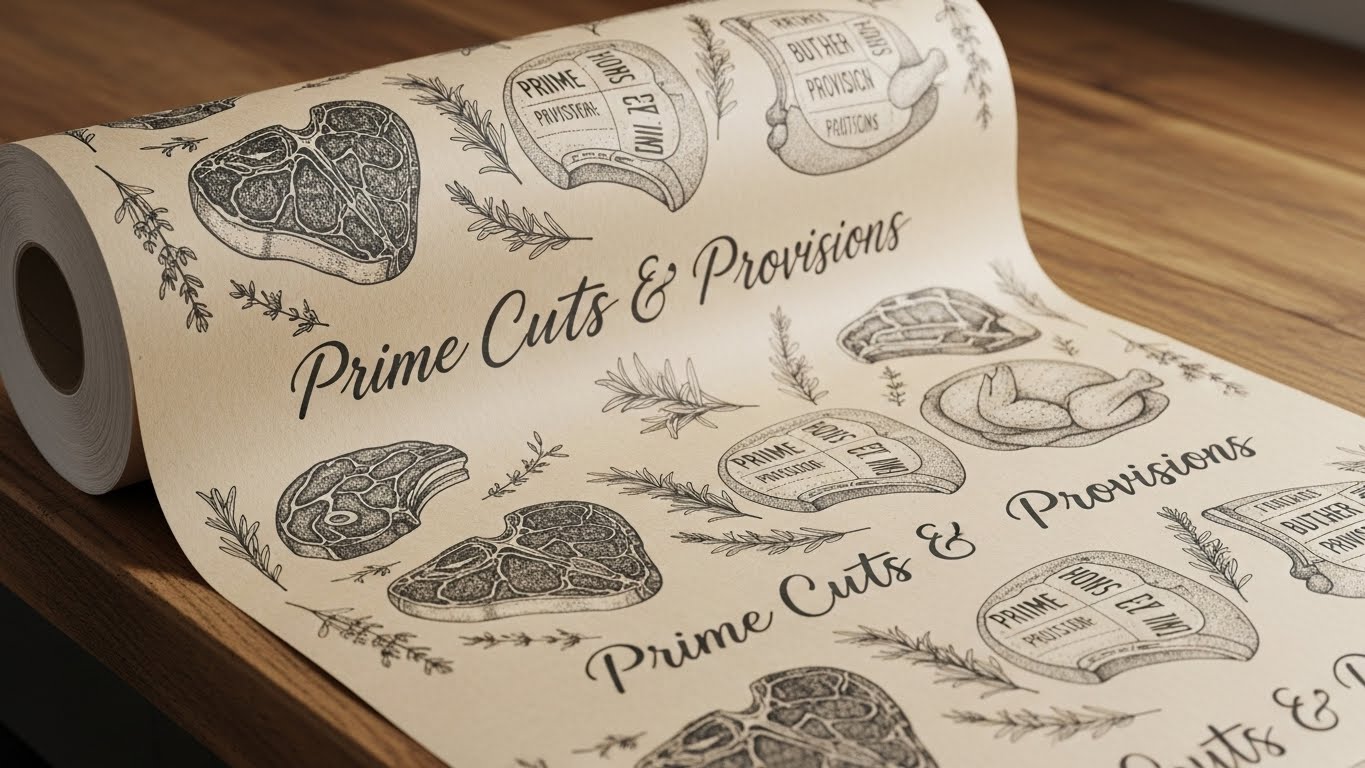
Wrapping affects meat storage and freshness. Using custom wrapping paper keeps moisture and reduces exposure to air. Wrapping meat tightly slows down bacterial growth and preserves color. Chefs recall days before quality paper. Meat wrapped loosely in plastic dried or frozen changing taste. Today solutions from suppliers like WaxPapersHub make this easier. Restaurants can order custom butcher paper to fit needs keeping meat fresh longer and maintaining texture.
Wrapping also organizes storage. Different meat types are separated and labeled reducing mix-ups. Investing in proper wrapping reduces waste and ensures consistent meat quality for each dish.
How Does Moisture Control Affect Meat Quality?
Moisture affects meat flavor and texture. A butcher shared a story of finding balance between hydration and dampness. Wrapping meat in custom kraft paper keeps juices while avoiding wet surfaces. Moisture control helps meat remain tender during cooking and keeps flavor consistent.
Temperature and humidity together control moisture. Refrigerators allow adjustments for different meats. Some restaurants monitor humidity during delivery to ensure meat stays fresh. Proper moisture makes meat more appealing for customers.
Why Are Proper Storage Times Essential for Freshness?
Meat has limited storage time even under correct conditions. Restaurants track storage time to use meat before spoilage. First-in first-out systems rotate stock and reduce waste. A restaurant owner shared experience of using older meat. Meat past safe storage time loses taste, color and tenderness. Staff label batches with delivery and use-by dates to follow the rotation system.
Proper storage timing also applies to thawing. Meat should thaw in the refrigerator not at room temperature. This prevents bacterial growth and ensures even cooking. Following storage times keeps meat safe and flavorful for every food.
How Do Hygiene Standards Impact Meat Quality?
Hygiene affects meat quality. Staff must clean surfaces, tools and storage areas. Hands should be washed before handling meat. Utensils are sanitized between uses. A chef shared a story about minor contamination from a busy kitchen mistake. After implementing stricter hygiene rules problems decreased. Measures like separate cutting boards and regular checks improve quality.
Hygiene extends to refrigeration. Cleaning storage units reduces bacterial growth. Following hygiene rules helps meat stay safe and tasty for every customer.
How Does Portion Control Affect Meat Freshness?
Portion control keeps meat quality consistent. Cutting meat in standard sizes reduces handling and prevents moisture loss. Even portions cook consistently keeping taste and texture. Restaurants share experiences of inconsistent portions. Large cuts overcooked while small cuts remained undercooked. Standard portioning solves these issues.
Portion control also helps track stock. Restaurants know the amount of meat for menu planning. Combined with proper storage portioning keeps meat consistent and fresh.
Why Is Employee Training Important for Meat Preservation?
Staff knowledge affects meat quality. Restaurants train employees to inspect, handle and store meat correctly. Training includes temperature rules hygiene and portioning methods. Managers shared stories of new staff mishandling meat. Training reduced mistakes and built confidence in preserving quality. Ongoing training updates staff on proper methods.
Trained staff maintain a reputation. Customers notice freshness and consistent flavor which builds trust. Knowledge of staff is as important as tools for preserving meat.
How Do Delivery Methods Influence Meat Quality?
Delivery affects freshness. Restaurants rely on suppliers using refrigerated transport. Timing matters because delays without cooling spoil meat. The owner shared a story of ordering meat from the USA. Even refrigeration delays caused minor spoilage. Local suppliers with fast delivery solved this problem. Proper delivery ensures meat arrives ready for storage or cooking.
Suppliers also use insulated boxes and chilled wrapping. Choosing reliable delivery reduces quality issues. Transport from farm to kitchen affects meat freshness customers receive.
How Does Monitoring Meat Appearance Help Detect Freshness?
Visual checks detect spoilage early. Restaurants watch color, texture and moisture. Bright and consistent color shows freshness. Discoloration or slime signals spoilage. Chefs share stories of catching spoiled batches by observing color change. Removing that batch prevented serving meat that lost quality.
Appearance checks support storage and handling methods. Together these steps keep meat fresh from delivery to serving.
Why Is Choosing Right Wrapping Material Important?
Right wrapping preserves meat quality. Wrapping reduces air contact and keeps moisture. Restaurants use papers like custom wrapping paper for fresh meat and dry-aged meat.
A restaurant shared how switching to custom wrapping paper extended meat shelf life and kept texture. Papers from suppliers like WaxPapersHub help select material that suits meat storage needs.
Proper wrapping also keeps storage organized and prevents contamination. Using correct wrapping ensures meat quality stays consistent and customers enjoy flavor.