
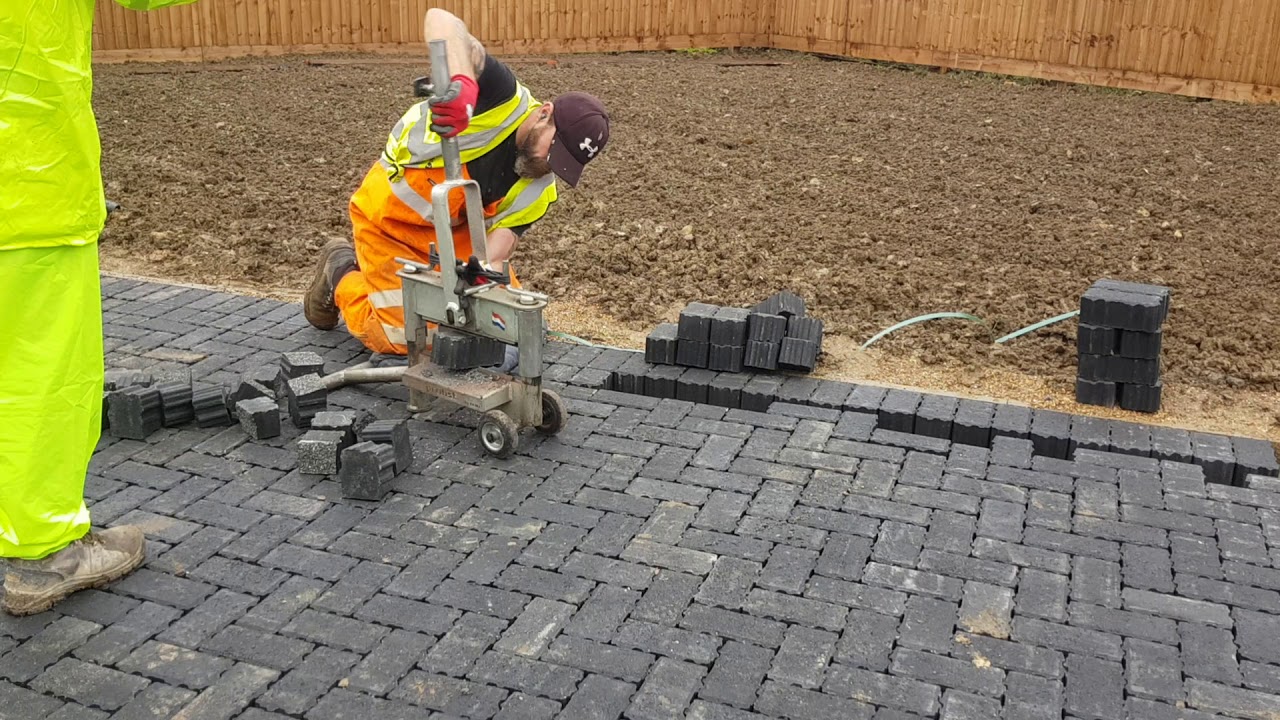
Block paving looks great when it is new. Sharp edges, clean colours, and neat joints give driveways real kerb appeal. In Durham, though, keeping block paving in Durham looking that way takes a bit more thought than most people expect. The local climate, tree cover, and seasonal weather all play a role in how quickly problems show up.
Why Block Paving Maintenance Matters in Durham
Durham’s weather is not kind to driveways. Frequent rain, damp winters, and shaded streets create ideal conditions for algae, moss, and joint erosion. Block paving that is ignored rarely fails all at once. It slowly loses stability, colour, and drainage performance. Maintenance is not about appearances alone. Well-maintained block paving drains better, lasts longer, and is far less likely to sink or spread under vehicle weight.
Regular Cleaning: The Foundation of Maintenance
The simplest and most effective maintenance step is regular cleaning. Sweeping removes leaves, grit, and organic debris that trap moisture. In Durham, fallen leaves are a major issue, especially in autumn, as they encourage moss growth if left to break down between joints.
Occasional washing helps lift surface dirt and algae. A light pressure wash is usually enough. Aggressive pressure washing can strip jointing sand and damage the surface of the blocks, which is a mistake we see often. Cleaning should refresh the surface, not blast it apart.
Controlling Weeds, Moss, and Algae
Weeds in block paving do not usually grow from below. They grow from seeds that land in the jointing sand. Moss and algae thrive in damp, shaded areas, which are common around Durham properties.
Removing weeds early is important. Leaving them to root deeply loosens the jointing sand and allows blocks to move. Once joints open up, water penetration increases and the base below starts to weaken.
Environmentally safe weed treatments work well if applied consistently. The key is timing. Treating growth early in spring and again in late summer prevents heavy build-up later in the year.
Re-Sanding Joints After Cleaning
Jointing sand is what locks block paving together. Over time, rain, traffic, and cleaning wash it out. This is especially common after pressure washing.
Re-sanding should be done once the surface is completely dry. Kiln-dried sand is brushed into the joints until they are full and compact. Skipping this step is one of the fastest ways to shorten the lifespan of block paving.
In Durham, where rainfall is frequent, keeping joints topped up is critical to preventing movement and sinking.
Dealing With Sinking or Loose Blocks
One advantage of block paving is that it can be repaired without replacing the entire driveway. If individual blocks sink or become loose, the problem is usually beneath the surface.
Common causes include poor base preparation, water pooling, or long-term joint erosion. Lifting and re-laying the affected area properly restores both appearance and strength. Ignoring small dips almost always leads to larger sections failing later.
Sealing Block Paving: Is It Worth It?
Sealing block paving is optional, but it can be beneficial when done correctly. A good sealant helps reduce weed growth, enhances colour, and protects against staining.
In Durham’s damp conditions, sealing can slow algae growth, but it must only be applied once the driveway is fully clean and dry. Sealing over damp blocks or unstable joints traps moisture and can cause whitening or peeling.
Sealers are not permanent. They usually need reapplication every few years to remain effective.
Seasonal Maintenance Tips for Durham Homes
Different times of year bring different challenges. Autumn is about leaf control and drainage checks. Winter requires avoiding harsh de-icing salts that can damage block surfaces. Spring is ideal for deep cleaning and joint repairs. Summer is the best time for re-sanding and sealing due to dry conditions.
Maintaining block paving is easier when it follows the seasons rather than reacting to visible damage.
How Long Well-Maintained Block Paving Should Last
With proper maintenance, block paving in Durham can last 20 to 30 years or more. Most premature failures come from neglected joints, poor drainage, or repeated heavy pressure washing.
Regular care costs little compared to lifting and rebuilding large sections later.
Final Thoughts
Block paving does not demand constant attention, but it does reward consistency. Simple steps like sweeping, timely cleaning, and joint re-sanding make a significant difference over time.
If you treat maintenance as part of owning the Driveway Durham rather than a fix when things go wrong, block paving remains one of the most durable and attractive surfacing options available for Durham homes.
If you want help assessing the condition of your block paving or advice on repairs and sealing, speaking to a local professional can often prevent small issues becoming major ones later.