
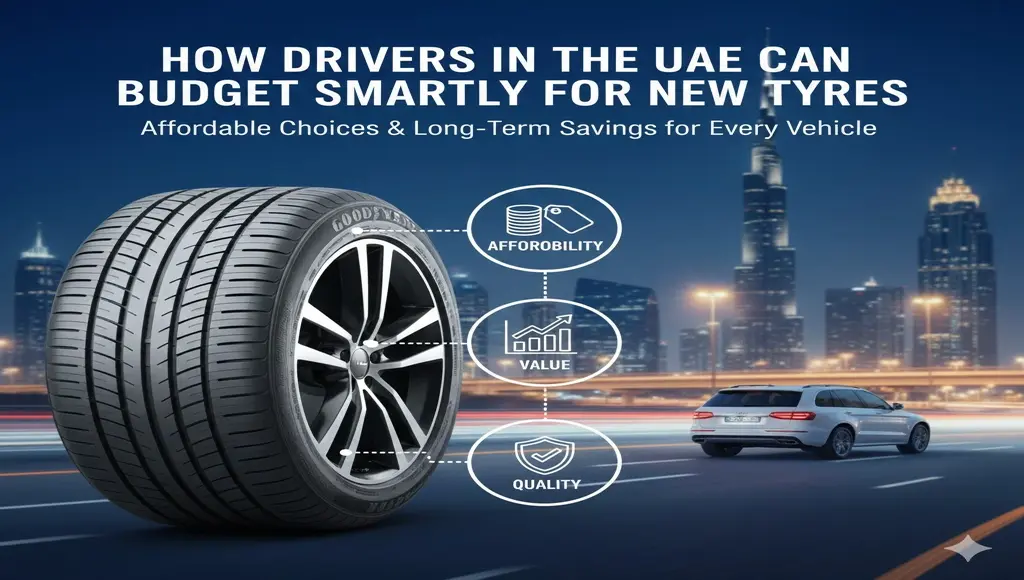
Owning a car in the United Arab Emirates involves managing various recurring costs. From insurance premiums to Salik toll fees, the expenses can add up quickly. However, one maintenance cost often catches drivers by surprise. Tyre replacement is frequently overlooked until a warning light appears or a puncture occurs.
Given the harsh climate and driving conditions, tyres are a significant part of vehicle upkeep. Ignoring them can lead to safety hazards and expensive emergency replacements. Planning ahead allows you to maintain performance without breaking the bank. Smart budgeting turns a financial stress into a manageable routine.
For many motorists, finding budget tyres UAE markets offer is a priority. Balancing cost with safety requires understanding what your vehicle needs. It also involves knowing how to extend the life of your current set. This guide helps you navigate the costs of tyre ownership effectively.
Why Tyre Budgeting Matters for UAE Drivers
Tyres in the UAE face a much harder life than those in cooler climates. The scorching heat significantly accelerates the degradation of rubber compounds. This means replacement cycles come around much faster here. Budgeting for this reality is essential for every car owner.
When you do not plan for tyre costs, you risk driving on unsafe wheels. This compromises your braking distance and handling capabilities. It also leaves you vulnerable to sudden blowouts on highways. Financial planning ensures you are always ready for a safe replacement.
The Real Cost of Ignoring Tyre Planning
Waiting until a tyre fails is the most expensive way to handle maintenance. Emergency purchases often mean buying whatever is in stock at a higher price. You lose the ability to shop around for deals or promotions.
Furthermore, worn tyres negatively impact your fuel economy. As tread wears unevenly, the rolling resistance of the tyre increases. This forces your engine to work harder and burn more fuel. Over time, this adds a hidden cost to your monthly expenses.
How UAE Climate Accelerates Tyre Wear
The asphalt temperature in Dubai or Abu Dhabi can exceed 60 degrees Celsius. This intense heat cooks the tyre from the outside in. It causes the rubber to harden and crack much sooner than expected.
Stop and go traffic in urban areas adds to this stress. Frequent braking generates friction heat that wears down the tread. This combination of environmental and driving factors shortens tyre life. Budgeting must account for this accelerated wear rate.
Understanding What Influences Tyre Costs
Tyre prices vary wildly depending on specifications and origins. Understanding what drives these costs helps you make informed decisions. You are paying for materials, engineering, and brand reputation. Knowing these factors prevents you from overpaying for unnecessary features.
It is important to match the tyre capabilities to your vehicle requirements. A high performance sports tyre is unnecessary for a daily commuter car. Understanding these nuances is key to effective tyre cost planning.
Tyre Size, Brand, and Performance Ratings
The physical size of the tyre is the biggest determinant of price. Larger rims generally require more expensive rubber. High performance vehicles often need low profile tyres which cost more.
Speed ratings also impact the final price tag. Tyres rated for higher speeds have reinforced internal structures. Brands with strong safety records also command a premium. However, many mid range brands offer excellent safety at lower prices.
Driving Habits and Mileage
Your personal driving style directly affects how much you spend on tyres. Aggressive acceleration and hard cornering strip rubber away quickly. High mileage drivers will naturally go through tyres faster than average.
Commuting long distances between emirates increases the frequency of replacement. If you drive extensively, your budget needs to be more robust. Factoring in your daily mileage is crucial for accurate planning.
Smart Ways to Plan Your Tyre Budget
Financial surprises are rarely welcome, especially when they concern car maintenance. Creating a sinking fund for vehicle expenses is a smart strategy. Small, regular contributions are easier to handle than one large bill.
Start by checking the manufacturing date of your current tyres. This gives you a timeline for when they will need replacing. Smart tyre buying tips always start with preparation.
Estimating Replacement Cycles
In the UAE, tyres typically last between two to three years. This depends heavily on whether you park in the shade or sun. Calculate the remaining months of life in your current set.
Divide the estimated cost of a new set by these remaining months. This gives you a specific target to save each month. Tracking this ensures the money is there when you need it.
Setting Aside a Maintenance Budget
Treat tyre replacement as a fixed monthly cost, like insurance. Set up a separate savings account or digital pot for car maintenance. Even a small amount saved monthly accumulates over two years.
This fund can also cover alignment and rotation costs. Having cash ready gives you negotiating power at the tyre shop. It also allows you to take advantage of bulk buy offers.
Comparing Tyre Options Without Overspending
The market is flooded with tyre brands ranging from premium to budget. You do not always need the most expensive tyre on the shelf. Many mid tier manufacturers produce excellent products.
The goal is to find the “sweet spot” between quality and cost. Look for tyres that meet international safety standards. Affordable tyres UAE retailers stock often come with warranties.
Choosing Value Over Brand Names
Big brand names often carry a marketing premium. Lesser known brands can offer similar technology at a fraction of the cost. Look for brands that are subsidiaries of major manufacturers.
These sub brands often use older technology from the parent company. This technology is still safe and reliable for daily driving. It offers a great way to save without compromising safety.
Researching Market Prices
The internet has made comparing prices easier than ever. You can check prices across multiple retailers in minutes. This knowledge prevents you from being overcharged at a physical shop.
Many drivers compare options like car tyre price in uae before deciding on tyres that offer a balance between affordability, durability, and safety. This research helps you identify fair market value. It also alerts you to ongoing sales or clearance events.
How Proper Maintenance Saves Money Over Time
Buying the tyres is only the first step in cost control. How you treat them determines how long they last. Neglect is the enemy of tyre lifespan management.
Simple maintenance habits can extend tyre life by months or years. This effectively lowers the cost per kilometer of your tyres. It is the most efficient way to stretch your budget.
Maintaining Correct Tyre Pressure
Tyre pressure fluctuates with the ambient temperature. Under inflated tyres flex more, generating excessive heat. This leads to rapid sidewall deterioration and potential failure.
Over inflated tyres wear out the center of the tread quickly. Checking pressure monthly ensures even wear patterns. It also optimizes fuel efficiency, saving you money at the pump.
Regular Alignment and Rotation
Wheel alignment ensures your tyres roll straight and true. Hitting a curb or pothole can knock wheels out of alignment. Misalignment causes tyres to drag, scrubbing off rubber rapidly.
Rotating tyres moves them to different positions on the car. This promotes even wear across all four tyres. It allows you to replace them as a full set, which is often cheaper.
Timing Your Tyre Purchase Strategically
Timing is everything when it comes to getting a good deal. Avoid buying tyres during peak demand if possible. Being proactive allows you to choose when to spend.
Retailers often have sales during Ramadan, Eid, or National Day. End of year clearance sales are also common. Planning ahead lets you target these specific windows.
Avoiding Last Minute Replacements
When you have a flat tyre, you are in a weak bargaining position. You have to buy whatever is available immediately. This often leads to purchasing mismatched or expensive tyres.
Monitoring tread depth gives you weeks of warning. Use this time to shop around and order the specific tyres you want. This patience almost always results in a better price.
Seasonal Buying Considerations
Summer is the most dangerous time for tyres in the UAE. It is wise to inspect and replace tyres before the heat spikes. Retailers know this and may offer safety check promotions.
Buying in the cooler months might offer better stock availability. Avoiding the summer rush ensures you get the attention you need. It also guarantees your car is ready for the heat.
Mistakes That Increase Tyre Expenses
Many drivers unknowingly increase their tyre costs through bad habits. Awareness is the first step to correcting these errors. avoiding these pitfalls protects your tyre replacement budget.
Small changes in behaviour can yield big savings. It is about respecting the limitations of your vehicle components. Here are common mistakes to watch out for.
Delaying Replacement Beyond Safe Limits
Pushing tyres to the legal limit is false economy. Bald tyres are prone to punctures and blowouts. The cost of a tow truck or rim repair exceeds the tyre cost.
You also risk hefty fines from the police for unsafe tyres. The potential accident liability is not worth the risk. Replace tyres when they reach 3mm tread depth for safety.
Ignoring Vehicle Load and Driving Conditions
Overloading your vehicle puts immense strain on the tyres. This increases heat buildup and structural stress. Always stick to the load capacity rating of your car.
Driving off road with road tyres also destroys them quickly. Sharp rocks can cut the sidewalls easily. Use the correct tyre for the specific activity to avoid damage.
Budget Friendly Tyre Choices for Different Drivers
Not every driver needs the same type of tyre. A family SUV has different needs than a delivery van. Tailoring your choice to your needs saves money.
Focus on the attributes that matter for your daily drive. You do not need track performance for a school run. Here is how to choose based on usage.
Daily Commuters
If you drive in the city, focus on durability and fuel economy. Look for “touring” or “eco” tyres. These are designed for long tread life and lower rolling resistance.
They may not have high speed cornering grip, but they last long. This is perfect for the stop and go nature of commuting. They offer the best value for daily drivers.
Long Distance and Highway Drivers
Highway driving requires stability and heat resistance. Look for tyres with higher speed ratings and heat dissipation features. Safety at speed is the priority here.
While they might cost slightly more, they resist heat failure better. This prevents blowouts on long trips between cities. It is a necessary investment for long distance driving UAE routes.
Frequently Asked Questions
How often should tyres be replaced in the UAE?
Usually every 40,000 to 60,000 kilometres depending on usage.
Can budgeting really reduce tyre expenses?
Yes, planned purchases and maintenance lower long term costs.
Does tyre pressure affect fuel costs?
Yes, incorrect pressure increases rolling resistance and fuel use.
Are cheaper tyres always a bad option?
No, many mid range tyres suit daily UAE driving well.
Should tyres be replaced before summer?
Yes, summer heat increases risk of tyre failure.
Conclusion
In conclusion of this blog, Budgeting for tyres is an essential part of car ownership in the UAE. The harsh environment demands respect and preparation. By understanding the costs and planning ahead, you can save significant money.
Regular maintenance and smart shopping habits are your best tools. Do not wait for an emergency to think about your tyres. Start a small savings fund today and drive with peace of mind.