
Varicose veins often begin as a mild concern but can gradually interfere with daily comfort, movement, and confidence. Long hours of standing, leg heaviness, swelling, and visible veins can make routine activities feel tiring over time. Today, many people look for treatment options that address these concerns without surgery or long recovery periods.
This shift has led to safer, outpatient-focused vein care that prioritizes accuracy, comfort, and faster return to normal life. Understanding how modern treatments work helps patients make informed choices early.
Understanding Varicose Veins and Their Impact
Varicose veins develop when vein valves weaken and fail to push blood upward efficiently. This causes blood to pool, leading to enlarged, twisted veins that are visible under the skin. Genetics, age, prolonged standing, pregnancy, and weight changes can all increase risk.
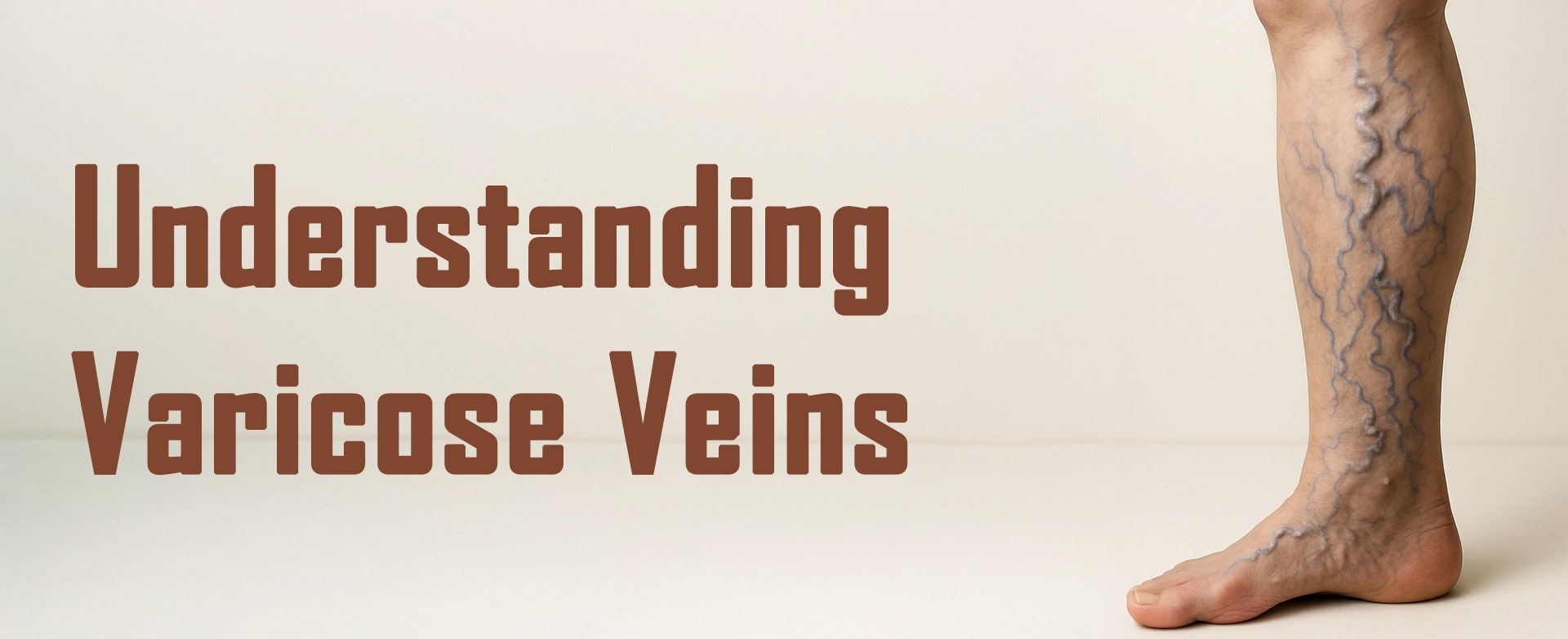
Over time, symptoms may progress from mild heaviness to aching, itching, swelling, or night cramps. Some people also notice skin changes around the ankle area. When left untreated, these veins can gradually affect mobility, confidence, and overall comfort.
Early care matters because vein problems usually progress slowly. Addressing them at the right time helps prevent complications and supports better long-term circulation.
Who Needs to Have Sclerotherapy Treatment?
Sclerotherapy is often advised for people with visible varicose or spider veins that cause discomfort or cosmetic concern. It is suitable for patients whose veins are not severely damaged and who want a non-surgical solution.
Those experiencing leg heaviness, mild swelling, or aching that worsens after long hours of standing may benefit from evaluation. It is also considered for patients seeking improvement without hospital admission or long recovery time. A detailed vein assessment helps determine if this approach is appropriate for individual vein patterns and health conditions.
What is Sclerotherapy and How Does It Work
Sclerotherapy is a minimally invasive procedure where a medical solution is injected directly into affected veins. The solution gently irritates the vein lining, causing it to collapse and seal shut. Once closed, blood naturally reroutes through healthier veins nearby.
Over weeks, the treated vein is gradually absorbed by the body. Circulation improves, and symptoms reduce without surgical removal. This targeted approach explains why sclerotherapy for varicose veins is widely used for small to medium-sized problem veins. The process is precise, controlled, and designed to protect surrounding tissue.
Step-by-Step Overview of the Sclerotherapy Procedure
Before treatment, veins are mapped using clinical examination and imaging when needed. This planning ensures accuracy and safety.
During the outpatient session, fine injections are placed into selected veins. The procedure usually takes less than an hour. Patients remain awake and comfortable throughout.
After treatment, a short observation follows, and most people walk out the same day. Common steps include:
- Compression support as advised
- Light walking to encourage circulation
- Simple aftercare guidance for daily routine
How Sclerotherapy Helps Reduce Varicose Veins Safely
This treatment works by targeting only the veins that are no longer functioning properly. Instead of removing veins through surgery, a medical solution is gently injected into the affected vein. This causes the vein to close gradually, stopping abnormal blood flow. Once closed, the body naturally redirects blood through healthier veins nearby.
Because the treatment is localized and controlled, surrounding tissues remain unaffected. There are no large cuts, no hospital stay, and minimal disruption to daily life. This is why sclerotherapy is widely viewed as a safe option for reducing varicose veins when done at the right stage and after proper evaluation.
What Happens Before Sclerotherapy?
Preparation focuses on safety and clarity. A vein specialist reviews symptoms, medical history, and lifestyle factors. Imaging helps confirm vein flow patterns and rule out deeper vein issues.
Patients may be advised to avoid certain creams or medications before treatment. Comfortable clothing and clear post-procedure instructions help ensure a smooth experience. This planning stage plays a key role in achieving consistent and predictable results.
What to Expect After Sclerotherapy for Varicose Veins
Recovery is usually quick. Most patients resume daily activities within a day, avoiding strenuous exercise briefly. Compression stockings may be recommended to support healing.
Improvement in appearance and comfort happens gradually as treated veins fade. Follow-up visits ensure veins respond well and help guide further care if needed. When done early, Sclerotherapy for varicose veins supports long-term comfort and reduces the chance of progression.
How is Sclerotherapy the Right Choice for You?
This treatment works best for spider veins and smaller varicose veins close to the skin. Larger or more complex veins may need other minimally invasive options.
Medical evaluation is essential to match the treatment to vein type and overall health. A neutral discussion of benefits, limitations, and alternatives helps patients make informed choices without pressure.
How Modern Specialists Manage Multiple Conditions with Precision
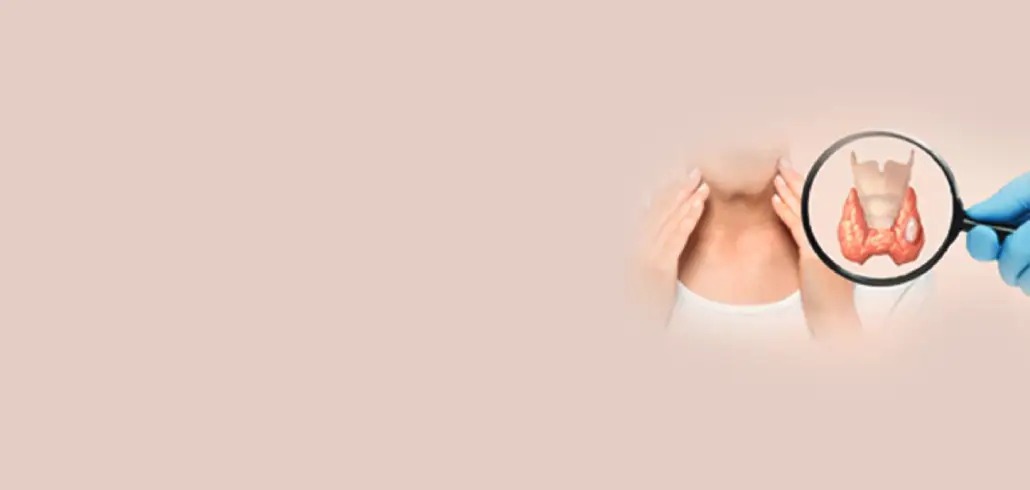
In many situations, care providers avoid using approaches that could affect future treatment needs. Similarly, when managing thyroid-related findings, patients are usually guided to consult a thyroid nodules treatment doctor in Ahmedabad only after proper imaging confirms that focused, non-surgical care is appropriate and no broader intervention is required.
This integrated approach ensures conditions are evaluated correctly, treatments remain targeted, and unnecessary procedures are avoided. Precision and planning remain central across specialties.
FAQs About Sclerotherapy
1. Is sclerotherapy a safe option for reducing varicose veins?
Yes, it is considered safe for suitable veins when performed by an experienced specialist after proper vein assessment and planning.
2. Does sclerotherapy cause pain during the procedure?
Most patients experience only mild, short-lasting discomfort similar to a small injection, which settles quickly on its own.
3. How many sclerotherapy sessions are usually needed?
The number of sessions depends on the size and number of veins, with many patients improving after one or two treatments.
4. How long does it take to see results after sclerotherapy?
Visible improvement appears gradually over a few weeks as treated veins close and the body adjusts blood flow.
Conclusion: Moving Toward Safer, Smarter Care
Sclerotherapy offers a practical path for managing varicose veins without surgery.It is designed around patient safety, focused treatment, and ongoing improvement while allowing normal life to continue. With proper evaluation and timely care, patients can reduce symptoms and support healthier circulation long term. Choosing image-guided, minimally invasive options encourages informed decisions and better comfort. At Dev Hospital, this patient-centered approach reflects how modern care continues to evolve toward safer and smarter treatment choices.