
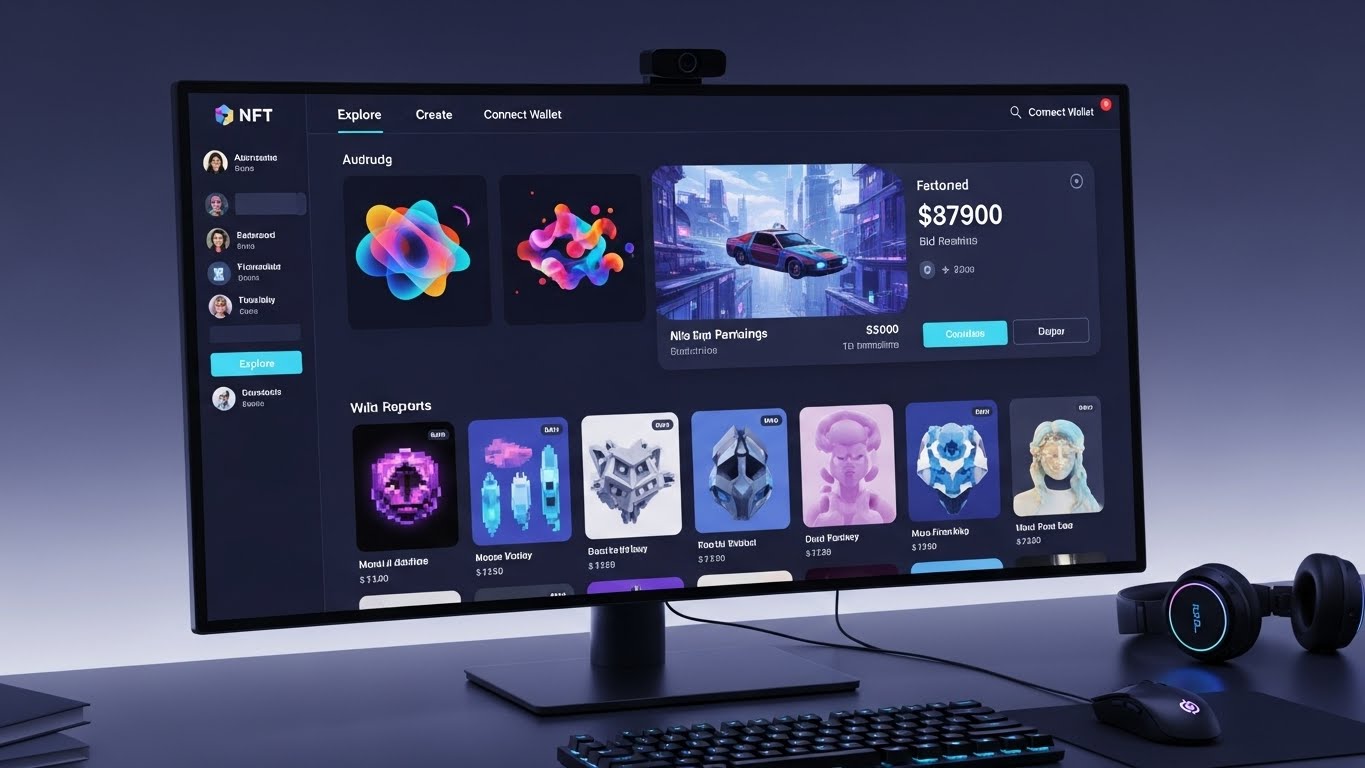
The evolution of digital asset platforms has accelerated, demanding robust and scalable blockchain infrastructures capable of handling complex operations, security challenges, and high transaction volumes. Selecting the right blockchain infrastructure is a critical step in ensuring the efficiency, security, and growth potential of digital asset platforms. Whether launching a new platform or upgrading an existing one, businesses must evaluate several technical and strategic factors to make informed decisions. A well-chosen blockchain framework not only supports seamless transactions but also enhances user experience, ensures regulatory compliance, and provides long-term adaptability to technological advancements. In 2026, with the rapid advancement of blockchain technology and increasing demand for decentralized solutions, selecting the most suitable blockchain infrastructure has become both an opportunity and a necessity for digital asset platforms.
Understanding Blockchain Types
Choosing the right type of blockchain is the first step in building a reliable digital asset platform. Different blockchain architectures offer varying levels of decentralization, security, privacy, and scalability. Understanding these differences allows businesses to select a solution that aligns with their technical requirements and business goals. Whether the priority is transparency, control, or collaboration between multiple stakeholders, evaluating blockchain types carefully ensures the infrastructure can support current operations while remaining flexible for future needs. The choice of blockchain type sets the foundation for the platform’s overall performance and reliability.
-
Public Blockchains: Public blockchains are decentralized networks where anyone can participate, validate transactions, and access data. They offer transparency and security but may face scalability challenges due to high transaction volumes. Choosing a public blockchain ensures inclusivity but requires careful consideration of network speed and consensus mechanisms.
-
Private Blockchains: Private blockchains restrict participation to authorized members, providing enhanced control and privacy. These are ideal for enterprise-level applications where transaction confidentiality and regulatory compliance are crucial. They offer faster processing times but may sacrifice the degree of decentralization.
-
Consortium Blockchains: Consortium blockchains operate under a group of organizations, providing a balanced approach between transparency and control. This hybrid structure is beneficial for industries requiring collaboration between multiple stakeholders while maintaining privacy and efficiency.
Evaluating Scalability and Performance
A blockchain infrastructure’s scalability and performance directly influence the user experience and operational efficiency of digital asset platforms. Platforms must process large volumes of transactions quickly while maintaining security and consistency. Evaluating scalability ensures that the system can handle growth without sacrificing performance, and assessing performance helps determine whether the platform can deliver a seamless experience under high load conditions. Key considerations include transaction throughput, network latency, and infrastructure flexibility. Scalability and performance evaluation is critical for platforms seeking longevity and competitive advantage in the digital asset market.
-
Transaction Throughput: Assess the blockchain’s ability to handle high volumes of transactions per second. Digital asset platforms must maintain seamless user experience even during peak demand periods. High throughput ensures rapid settlement and reduces network congestion.
-
Network Latency: Low latency is essential for real-time transaction processing. Choosing a blockchain infrastructure with minimal latency improves responsiveness and platform reliability, which is critical for trading and asset management.
-
Upgradability: Evaluate the flexibility of the blockchain infrastructure to implement future updates without disrupting the network. Scalability solutions like sharding or layer-2 protocols can enhance performance and maintain consistent growth.
Security and Compliance Considerations
Security and compliance are the pillars of trust in any digital asset platform. Blockchain infrastructures must offer robust protection against cyber threats while adhering to evolving regulatory standards. Evaluating these factors ensures that platforms safeguard user data, prevent financial loss, and maintain operational legitimacy. Security measures, regulatory alignment, and privacy protocols collectively determine a platform’s resilience against attacks and its ability to function reliably in diverse legal environments. Investing in secure and compliant infrastructure strengthens user confidence and mitigates potential risks that could affect the platform’s reputation.
-
Smart Contract Audits: Ensure that the blockchain infrastructure supports thorough auditing of smart contracts. Vulnerabilities in code can lead to significant financial losses and legal complications. Regular audits and secure coding practices are essential.
-
Regulatory Compatibility: Choose a blockchain that aligns with regional and global regulations for digital assets. Compliance with KYC/AML standards and other legal frameworks is necessary for operational legitimacy and investor confidence.
-
Data Privacy: Secure handling of user data and transaction information is crucial. Blockchain infrastructures offering encryption, permissioned access, and data privacy features protect users and strengthen platform credibility.
Cost and Resource Management
Managing costs and resources effectively is crucial when building and maintaining a blockchain platform. Infrastructure expenses, development resources, and integration efforts can significantly impact the long-term sustainability of the platform. By carefully evaluating these factors, businesses can optimize operational efficiency without compromising performance. Cost-effective infrastructure ensures scalability, while skilled development teams and smooth integration facilitate innovation and reduce technical risk. Thoughtful cost and resource planning is essential for maintaining a competitive edge in a market where high-quality blockchain solutions are expected by users and stakeholders alike.
-
Infrastructure Costs: Analyze both initial setup and ongoing operational costs of the blockchain network. Infrastructure expenses include node deployment, energy consumption, and maintenance. Optimizing costs while maintaining efficiency is key for sustainable operations.
-
Development Resources: Consider the availability of skilled developers and technical support for the chosen blockchain. A platform backed by an active developer community ensures continuous improvements and faster problem resolution.
-
Integration Complexity: Evaluate the ease of integrating the blockchain with existing systems and third-party services. Smooth integration reduces development timelines and minimizes technical risks.
Ecosystem and Community Support
A blockchain’s ecosystem and community are vital factors in its long-term viability. Platforms supported by active communities, partnerships, and third-party tools benefit from innovation, support, and rapid adoption. The availability of developer resources, integrations, and strategic collaborations enhances platform capabilities and user experience. Assessing ecosystem support helps determine whether the infrastructure can evolve alongside emerging trends, address technical challenges efficiently, and provide a seamless experience to platform users. Strong ecosystem engagement increases reliability, adoption potential, and the likelihood of continuous improvements over time.
-
Active Developer Community: A robust community ensures the availability of resources, documentation, and tools for development. Platforms with strong community support can quickly adapt to emerging trends and security challenges.
-
Partnership Opportunities: Selecting a blockchain infrastructure with strategic alliances and partnerships expands the platform’s reach and integration capabilities. Collaborations can enhance adoption and provide access to innovative solutions.
-
Third-Party Tools and Services: Evaluate the ecosystem of wallets, analytics tools, and middleware. A rich ecosystem simplifies development and improves the overall user experience on the platform.
Integration with Existing Financial Systems
Digital asset platforms often need to operate alongside traditional financial infrastructure such as banks, payment gateways, and enterprise systems. Seamless integration ensures that transactions, reporting, and settlement processes function efficiently without errors or delays. Blockchain infrastructure that supports easy integration reduces operational friction, increases adoption by institutional users, and improves overall system reliability. Platforms that successfully bridge digital assets with traditional systems can offer more comprehensive services and gain credibility with a wider audience.
-
Banking and Payment Gateways: Ensure the blockchain can communicate with major financial institutions to facilitate deposits, withdrawals, and transfers.
-
Enterprise Resource Systems: Evaluate compatibility with ERP and accounting tools for smooth reporting and reconciliation processes.
-
API and Middleware Support: The availability of APIs and middleware simplifies connections between blockchain and existing financial platforms.
User Experience and Accessibility
User experience is a key determinant of platform adoption and retention. A blockchain infrastructure that enables fast, intuitive, and reliable interactions encourages user engagement and reduces drop-offs. Accessibility features such as multi-device support, multilingual interfaces, and simplified onboarding further enhance the platform’s reach. By prioritizing user experience, businesses ensure that their digital asset platforms are appealing, efficient, and inclusive for a broad audience.
-
Interface Speed and Responsiveness: Low latency and efficient transaction processing improve satisfaction.
-
Cross-Device Compatibility: Platforms must work seamlessly on mobile, web, and desktop applications.
-
Intuitive Design: Clear navigation, simple processes, and user-friendly features reduce learning curves.
Tokenomics and Asset Management
Tokenomics is the backbone of any digital asset platform. The chosen blockchain infrastructure must support asset issuance, trading, staking, and governance efficiently. Proper token management ensures liquidity, stability, and user trust while enabling innovative economic models for digital assets. Infrastructure capable of supporting advanced asset management features allows platforms to scale operations and attract both retail and institutional users. Collaboration with the best NFT marketplace development company can enhance token utility and governance frameworks for the platform.
-
Digital Asset Issuance: Platforms need infrastructure that allows seamless creation and management of tokens.
-
Trading and Liquidity: Ensure that the blockchain supports secure, fast, and reliable trading mechanisms.
-
Governance Models: Infrastructure should enable decentralized decision-making and voting on platform policies.
Conclusion
Selecting the appropriate blockchain infrastructure is a strategic decision that shapes the future of digital asset platforms. By carefully evaluating blockchain types, scalability, security, cost, ecosystem support, integration, user experience, and tokenomics, businesses can build platforms that are robust, efficient, and adaptable to evolving market trends. Partnering with the best NFT marketplace development company ensures technical expertise, innovative solutions, and seamless deployment, enabling digital asset platforms to thrive in 2026 and beyond. A thoughtful approach to infrastructure selection not only optimizes operational efficiency but also strengthens user trust and long-term platform growth.