
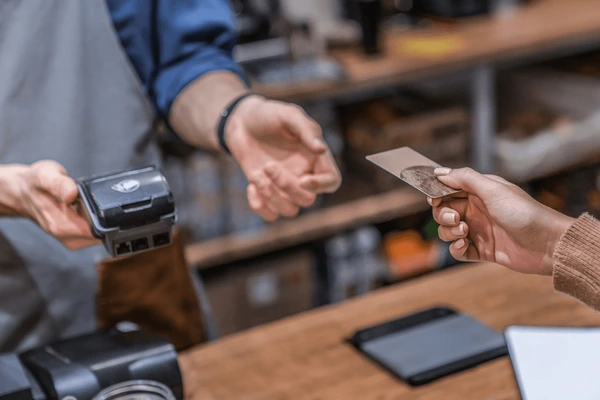
Running a retail store requires more than just selling products. Inventory control, pricing accuracy, customer service, and daily reporting all play a role in business success. A POS system for retail store operations brings these elements together, helping retailers manage sales efficiently while delivering a smooth checkout experience for customers.
Modern POS solutions have transformed retail management by replacing manual processes with intelligent, easy-to-use technology.
What Is a POS System for a Retail Store?
A POS system for a retail store is a combination of hardware and software used to process sales transactions. Beyond billing, it helps retailers track inventory, manage customer data, and analyze sales performance in real time.
Typical POS components include:
-
Touchscreen terminal or tablet
-
Barcode scanner
-
Receipt printer and cash drawer
-
Card and contactless payment terminal
-
POS software with reporting tools
Together, these tools simplify daily retail operations.
Why Retail Stores Need a Modern POS System
Fast and Accurate Checkout
A retail POS system speeds up billing by scanning products, calculating taxes, and applying discounts automatically. Faster checkout reduces long lines and improves customer satisfaction.
Real-Time Inventory Tracking
Every sale updates inventory instantly. Retailers can track stock levels, avoid shortages, and identify best-selling products with ease.
Support for Multiple Payment Methods
Customers expect flexibility. Modern POS systems accept credit cards, debit cards, mobile wallets, contactless payments, and cash.
Reduced Human Errors
Manual pricing and inventory management can lead to mistakes. Automated systems ensure accuracy in transactions and reporting.
Key Features of a Retail POS System
Product and Inventory Management
Retailers can manage thousands of products, set pricing variations, and receive alerts when stock runs low.
Sales Reporting and Analytics
Detailed reports provide insights into daily sales, peak hours, and product performance, helping retailers make informed decisions.
Customer Management
Many POS systems store customer purchase history, enabling loyalty programs and personalized promotions.
Cloud-Based Access
Cloud POS systems allow store owners to monitor sales, update prices, and manage inventory remotely.
Benefits of Using a POS System in Retail Stores
-
Improved checkout efficiency
-
Better inventory accuracy
-
Stronger customer relationships
-
Easier staff management
-
Scalable operations for growing stores
These benefits help retailers save time, reduce costs, and increase profitability.
Who Can Benefit from Retail POS Systems?
A POS system for retail store use is ideal for:
-
Clothing and fashion stores
-
Grocery and convenience stores
-
Electronics and mobile shops
-
Bookstores and gift shops
-
Supermarkets and specialty retailers
Whether small or large, retail businesses gain better control with the right POS solution.
Choosing the Right POS System for Your Retail Store
When selecting a retail POS system, consider:
-
Ease of use for staff
-
Inventory and reporting features
-
Payment methods supported
-
Security and data protection
-
Scalability for future growth
A well-chosen POS system becomes a long-term asset rather than just a billing tool.
Final Thoughts
A POS system for retail store operations is essential for modern retail success. It simplifies sales, improves inventory management, and enhances the overall shopping experience. By investing in the right POS solution, retailers can operate more efficiently, make smarter decisions, and build a stronger foundation for business growth.