
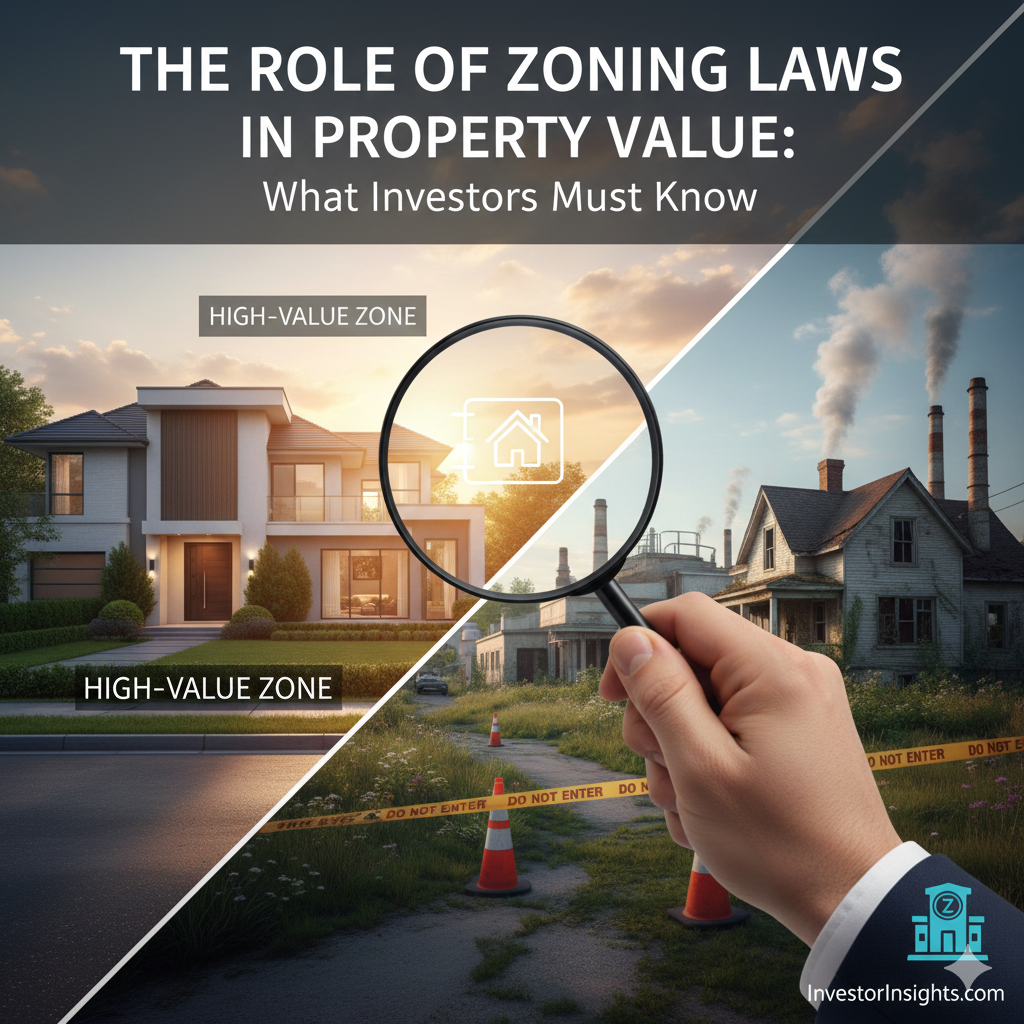
The Role of Zoning Laws in Property Value: What Investors Must Know
A few years ago, a small group of investors bought land on the edge of a growing city. The location looked ordinary at first. Roads were narrow, and development was slow. But one detail made all the difference. The zoning allowed mixed-use development. Within a few years, shops, apartments, and offices reshaped the area, and property prices rose far beyond expectations. This is how zoning laws quietly shape property value, often more than market hype or short-term trends. Investors looking at opportunities like plots for sale in dha city Karachi often see this impact early if they know what to look for.
Zoning laws decide how land can be used. They control whether a property can host homes, businesses, factories, or a mix of all three. These rules guide city growth and protect neighborhoods, but they also influence demand, rental income, and resale potential.
Understanding zoning is not just a legal exercise. It is a value strategy.
How Zoning Shapes Property Demand
Zoning laws create boundaries. They separate residential streets from industrial zones and define where commercial hubs can grow. When zoning aligns with population needs, property values tend to rise.
Residential zoning affects density. Low-density zoning limits the number of homes per plot. This often increases value in areas where buyers want privacy and space. High-density zoning allows apartments and shared housing, which can attract investors focused on rental income.
Commercial zoning brings foot traffic. Shops, offices, and service centers raise land demand but also increase noise and congestion. Properties near these zones often see higher prices if access and infrastructure are strong.
Mixed-use zoning combines both. It supports walkable communities and long-term growth. Investors favor these areas because they adapt well to changing lifestyles.
Zoning Restrictions and Hidden Costs
Zoning also places limits that investors must respect. Some rules restrict building height, plot coverage, or usage changes. Ignoring these details can turn a promising deal into a costly mistake.
Common restrictions include:
- Limits on floor area ratio
- Setback requirements from roads or neighbors
- Parking space rules
- Environmental or heritage protections
These rules affect construction costs and timelines. They can also reduce the potential size of a project, which directly impacts return on investment.
Experienced investors study zoning maps before signing contracts. They talk to local planning offices and review future development plans. This research reduces risk and helps set realistic expectations.
Zoning Changes and Value Growth
One of the most powerful value drivers is rezoning. When land use changes from agricultural to residential or from residential to commercial, prices often rise sharply.
Rezoning usually follows infrastructure upgrades. New highways, transit lines, or business districts trigger policy updates. Investors who track these signals can act early.
However, rezoning is never guaranteed. It depends on government priorities, public feedback, and environmental reviews. Smart investors balance optimism with patience.
Local Context Matters
Zoning rules differ by city and even by neighborhood. In planned communities, zoning is strict and predictable. In older areas, rules may change more often as cities modernize.
In Karachi, master-planned areas attract long-term investors because zoning clarity supports stable growth. Projects focused on investment in Bahria Town Karachi often appeal to buyers who want defined land use, modern infrastructure, and controlled expansion.
Zoning also affects nearby business activity. Commercial zones support logistics, retail, and trade services. This is why investors often study how residential and business zoning connect with sectors like the best import export services Karachi when assessing long-term demand.
Zoning and Rental Income
Rental yield depends heavily on zoning. Residential zoning supports stable tenants and predictable cash flow. Commercial zoning may offer higher rents but with longer vacancy risks.
Mixed-use zoning spreads risk. If residential demand slows, commercial activity can still support income. This balance appeals to investors focused on steady returns rather than short-term gains.
Zoning also affects tenant quality. Areas with clear planning attract reputable businesses and long-term residents. This stability protects property value during market shifts.
What Investors Should Always Check
Before buying, investors should review:
- Current zoning classification
- Allowed uses and building limits
- Planned infrastructure projects
- Probability of zoning changes
- Community development plans
This process takes time, but it often reveals opportunities others miss.
Final Thoughts
Zoning laws may seem technical, but they tell a powerful story about land value. They reveal how a city plans to grow, where people will live, and how businesses will expand. Investors who read this story early make better decisions and avoid common traps. Property value is not only about location. It is also about permission.
Frequently Asked Questions
Can zoning laws change after I buy a property?
Yes. Zoning can change through government decisions, but the process usually takes time and public approval.
Does residential zoning always mean higher value?
Not always. Value depends on demand, infrastructure, and neighborhood quality.
Is mixed-use zoning better for investors?
It can be, especially for long-term growth and diversified income, but it also requires careful planning.
Should I hire a zoning consultant?
For large investments or development projects, professional advice can reduce legal and financial risk.
How often should investors review zoning plans?
It is wise to review them before purchase and monitor updates annually to track future opportunities.