
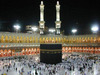
Umrah during Ramadan holds a profound place in the hearts of Muslims around the world. While Umrah can be performed at any time of the year, undertaking this sacred journey during the holy month of Ramadan adds deep spiritual, cultural, and emotional dimensions. It is not only an act of worship but also a period of intense self-discipline, reflection, communal bonding, and renewal of faith. The combination of fasting, increased prayer, and spiritual awareness transforms Umrah in Ramadan into a life-changing experience that goes beyond rituals and touches the core of Muslim identity.
The Spiritual Context of Umrah in Ramadan
Ramadan is the month in which Muslims fast from dawn to sunset, abstaining from food, drink, and negative behaviour. Performing Umrah during this month magnifies spiritual rewards and reinforces the connection between physical sacrifice and spiritual growth. Culturally, Ramadan is viewed as a time when hearts soften, intentions purify, and communities come together in worship.
Many Muslims are motivated to perform Umrah in Ramadan because:
- It aligns personal worship with a globally shared sacred time
- It creates a sense of unity with millions of fasting believers
- It strengthens spiritual discipline through simultaneous fasting and pilgrimage
This convergence of acts deepens awareness of God (taqwa) and reinforces humility, gratitude, and patience.
Fasting During Umrah: A Test of Endurance and Devotion
Fasting while performing Umrah presents both challenges and opportunities. Physically, the rituals of Umrah—such as Tawaf (circling the Kaaba) and Sa’i (walking between Safa and Marwah)—require stamina, especially in crowded conditions. Spiritually, fasting intensifies self-control and mindfulness.
From a problem-solving perspective, pilgrims often manage fasting during Umrah by:
- Scheduling rituals during cooler night hours
- Maintaining hydration and nutrition during suhoor and iftar
- Practising patience and emotional regulation in crowded spaces
Culturally, fasting during Umrah symbolises equality and humility. Regardless of background or status, all pilgrims experience hunger and thirst together, reinforcing the idea that devotion transcends material comfort.
Prayer as the Centre of the Ramadan Umrah Experience
Prayer takes on heightened importance during Ramadan, especially in the sacred mosques of Makkah and Madinah. Performing daily prayers, Taraweeh (night prayers), and additional voluntary prayers while on Umrah creates an environment of constant remembrance of God.
Prayer during Umrah in Ramadan is culturally significant because:
- It blends personal devotion with collective worship
- It strengthens the emotional bond between pilgrims
- It reinforces the rhythm of Islamic life centred on prayer
Many pilgrims describe praying near the Kaaba during Ramadan as spiritually overwhelming. The atmosphere is filled with whispered supplications, tears of repentance, and silent gratitude. These moments often become lifelong spiritual memories.
Reflection and Inner Transformation
One of the most powerful aspects of Umrah during Ramadan is reflection. The combination of fasting, prayer, and sacred space creates an ideal environment for self-evaluation and emotional healing. Pilgrims often reflect on their actions, relationships, and priorities in life.
Reflection during Ramadan Umrah commonly focuses on:
- Seeking forgiveness for past mistakes
- Renewing intentions and moral commitments
- Developing empathy for the less fortunate
Culturally, this reflection aligns with Ramadan’s broader purpose of moral purification. The journey becomes not only physical but deeply psychological and spiritual, helping individuals return home with renewed purpose.
Cultural Unity and Global Brotherhood
Umrah in Ramadan is a powerful expression of global Muslim unity. Pilgrims from diverse cultures, languages, and traditions gather with a shared goal: worship. This diversity highlights Islam’s universal message and reinforces cultural humility.
Cultural significance emerges through:
- Shared iftar meals with strangers
- Collective prayers regardless of nationality
- Mutual support during physically demanding rituals
These interactions often break social barriers and foster empathy, reminding pilgrims that faith unites humanity beyond cultural differences.
Managing Crowds and Emotional Resilience
One practical challenge of Umrah during Ramadan is the large number of pilgrims. Crowds can test patience, emotional control, and physical endurance. However, these challenges themselves become tools for spiritual growth.
Pilgrims learn to:
- Practice patience as an act of worship
- Control anger and frustration while fasting
- Show kindness and restraint in stressful situations
Culturally, this reflects Ramadan’s emphasis on character development. Enduring discomfort with grace is seen as a form of worship equal to ritual acts.
The Role of Charity and Compassion
Ramadan emphasises generosity, and performing Umrah during this month often increases awareness of social responsibility. Many pilgrims engage in charitable acts, such as feeding the poor or supporting community initiatives.
Charity during Umrah in Ramadan reinforces:
- Gratitude for personal blessings
- Compassion for those facing hardship
- A sense of social accountability
This cultural emphasis ensures that worship extends beyond rituals and translates into ethical action.
Long-Term Impact After Returning Home
The effects of Umrah during Ramadan often extend far beyond the journey itself. Many pilgrims return with stronger spiritual habits, such as consistent prayer, fasting beyond Ramadan, and improved moral conduct.
Lasting impacts include:
- Increased mindfulness in daily life
- Stronger emotional resilience
- Deeper connection to faith and community
Culturally, returning pilgrims often inspire others through their changed behaviour, reinforcing the communal value of pilgrimage.
Conclusion: A Journey of Faith, Culture, and Transformation
Umrah during Ramadan is far more than a religious obligation—it is a holistic spiritual and cultural experience. Through fasting, prayer, and reflection, pilgrims undergo profound inner transformation while participating in a global expression of faith. The challenges faced during this journey become opportunities for growth, patience, and empathy.
By blending ritual worship with moral discipline and cultural unity, Umrah in Ramadan stands as a powerful reminder that faith is not only practised through actions but lived through character, compassion, and conscious reflection.