
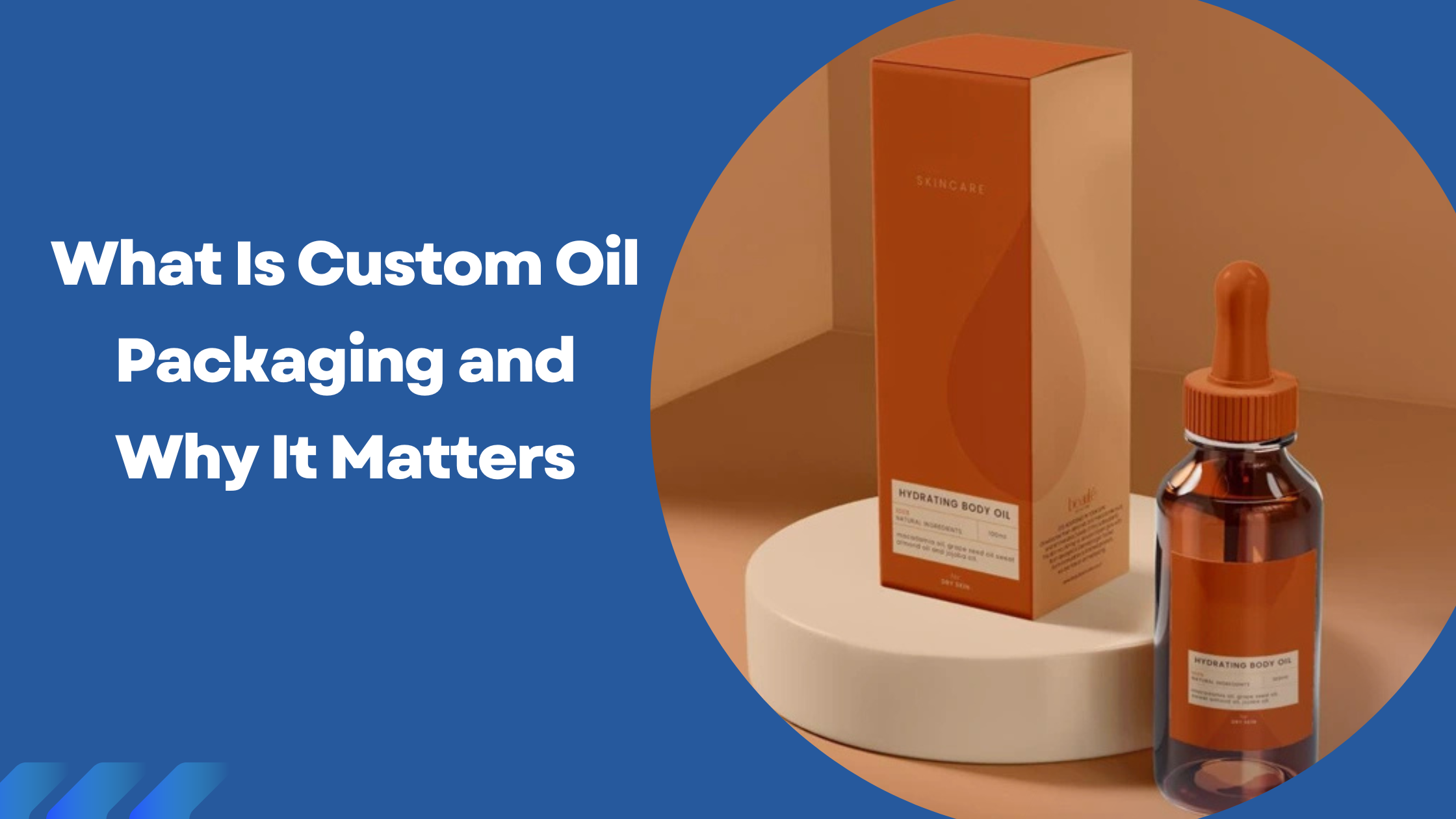
Packaging plays a crucial role in the oil industry, whether for edible oils, essential oils, or industrial lubricants. Custom oil packaging ensures product safety, enhances brand image, and improves customer experience. It combines functionality with aesthetics to meet both business and consumer needs.
This guide explains what custom oil packaging is, its types, materials, benefits, and why it is essential for modern brands.
What Is Custom Oil Packaging?
Custom oil packaging refers to containers specifically designed to hold oil products while maintaining their quality and safety. Unlike generic packaging, custom oil packaging is tailored in size, material, design, and branding to meet product and market requirements.
It includes bottles, jars, cans, and flexible pouches designed to prevent leakage, contamination, and oxidation. Custom packaging also enhances brand visibility and makes products stand out on shelves.
Why Custom Packaging Matters for Oil Products
Oil products are sensitive and require proper storage and handling. The right packaging ensures:
-
Product Protection: Prevents leaks, spills, and contamination.
-
Preservation: Maintains freshness, flavor, and quality for edible oils.
-
Safety: Industrial oils or chemicals need packaging that meets safety standards.
-
Branding: Attractive packaging builds trust and strengthens brand identity.
-
Customer Experience: Easy-to-use containers with clear labeling improve satisfaction.
Without proper packaging, oil products can lose quality, damage the brand’s reputation, and reduce customer trust.
Common Types of Custom Oil Packaging
Different types of oils require different packaging solutions:
Glass Bottles
Ideal for edible oils, essential oils, and premium oils. Glass preserves taste and prevents chemical reactions. Dark-colored glass protects oils from light.
Plastic Bottles
Lightweight, shatter-resistant, and cost-effective. Suitable for cooking oils and industrial oils. PET and HDPE are common materials.
Metal Cans or Tins
Used for bulk edible oils, lubricants, and specialty oils. Provides durability and long-term protection.
Flexible Pouches
Eco-friendly and space-saving. Often used for single-use or refill products.
Dropper Bottles
Common for essential oils and cosmetic oils. Provides precise dispensing and adds a premium touch.
Materials Used for Oil Packaging
Material selection is critical for durability, safety, and product preservation.
-
Glass: Prevents chemical reactions and preserves flavor.
-
Plastic (PET, HDPE, PP): Lightweight, durable, and cost-efficient.
-
Metal (Tin, Aluminum): Provides protection for industrial and edible oils.
-
Eco-Friendly Options: Recyclable plastics or biodegradable pouches for sustainable packaging.
Customization Options for Oil Packaging
Custom oil packaging can be tailored to enhance both functionality and branding.
-
Size and Shape: Fit specific product volumes and shelf requirements.
-
Labels and Printing: Display logos, product information, nutritional facts, and instructions.
-
Caps and Closures: Spouts, droppers, pumps, or screw caps for user convenience.
-
Protective Features: Tamper-evident seals and UV-resistant coatings for safety.
-
Design and Finishing: Matte, gloss, or embossed finishes for a premium look.
Customization helps products stand out and reinforces brand identity.
Industries That Use Custom Oil Packaging
Custom oil packaging is essential across multiple industries:
-
Edible Oils: Olive oil, sunflower oil, and specialty oils.
-
Essential Oils: Aromatherapy and cosmetic oils.
-
Industrial Oils: Lubricants, motor oils, and machinery oils.
-
Health & Wellness Products: Herbal or infused oils.
-
Cosmetics & Skincare: Carrier oils and beauty products.
Sustainability and Eco-Friendly Packaging
Sustainable oil packaging is increasingly important. Brands are adopting recyclable glass, PET, and biodegradable pouches. Right-sized bottles reduce material waste, and minimalistic labels reduce environmental impact.
Eco-friendly packaging aligns with consumer expectations and enhances brand reputation.
Cost Considerations
The cost of custom oil packaging depends on material, size, printing, and order quantity. While premium packaging may increase upfront costs, it ensures product safety, reduces damage, and strengthens brand image. Bulk orders and simple designs can help manage expenses efficiently.
Final Thoughts
Custom oil packaging is more than just a container—it protects products, communicates brand values, and enhances the customer experience. From edible oils to essential oils and industrial oils, tailored packaging ensures quality, safety, and market appeal.
Investing in custom oil packaging helps brands stand out, build trust, and deliver products that meet both functional and aesthetic expectations. Proper packaging is key to preserving product integrity and elevating brand recognition.